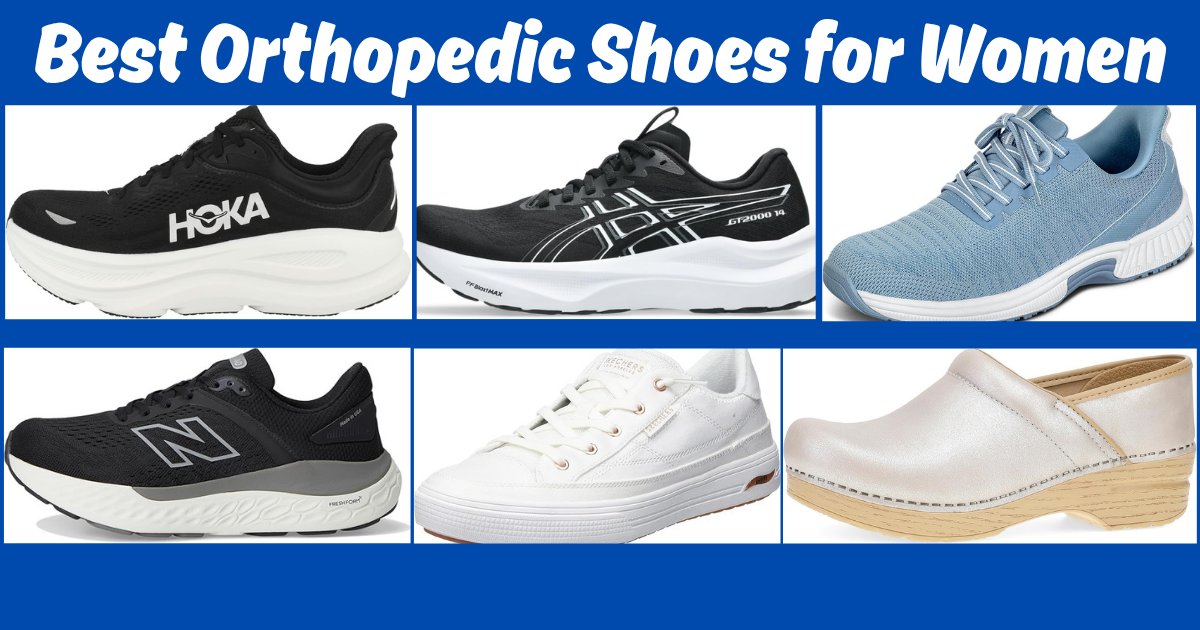
Looking for arch support and all-day comfort? Compare the best orthopedic shoes for women with quick picks, fit tips, and buyer-friendly guidance.
Table of Contents
Introduction
If you’re searching for the best orthopedic shoes for women, chances are you’re not shopping for “cute shoes.” You’re shopping for relief, stability, and the kind of comfort that holds up through errands, travel days, long shifts, and real life.
The right pair can make walking feel smoother, reduce pressure points, and help you stay on your feet longer—while the wrong fit can make things worse (hello, blisters and hot spots).
In this guide, you’ll find:
- Quick picks for the most common needs (arch support, wide feet, standing all day, dressy options)
- A comparison table that makes trade-offs obvious
- A simple buying guide that helps you choose based on your feet and routines—not hype
If you’re dealing with heel pain, choosing the right shoes is essential. For a more focused breakdown, check our guide to the best shoes for plantar fasciitis women.
Top Recommendations
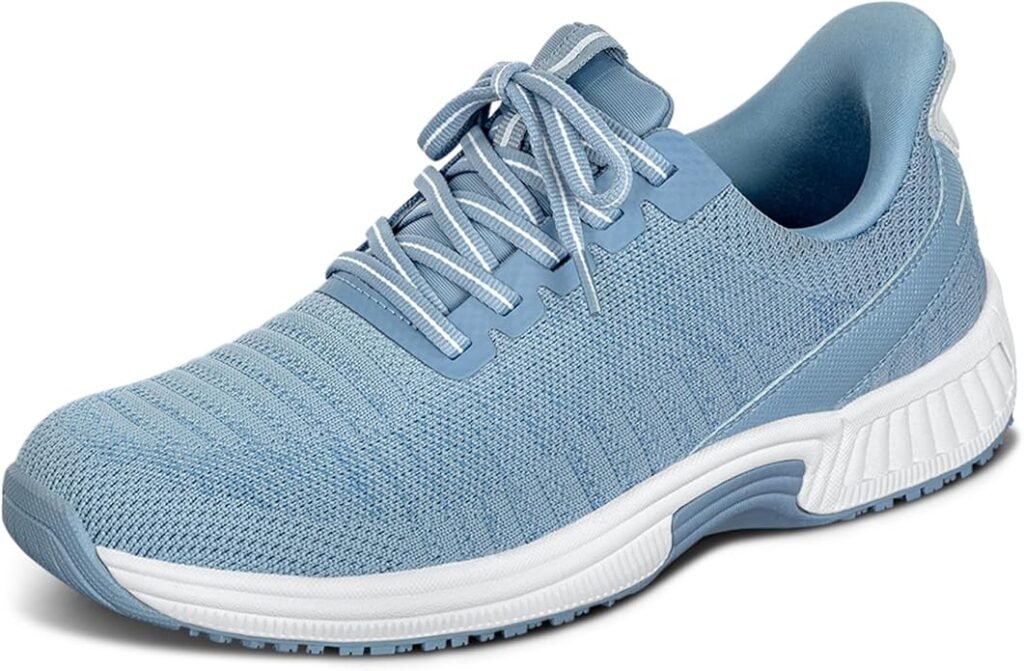
- Best Overall: Orthofeet Kita Hands-Free Sneaker (supportive, roomy, easy on/off; also listed in APMA Seal DB)
- Best Premium Support (Motion Control): New Balance Fresh Foam X 1540 v4 (structured stability + APMA listing)
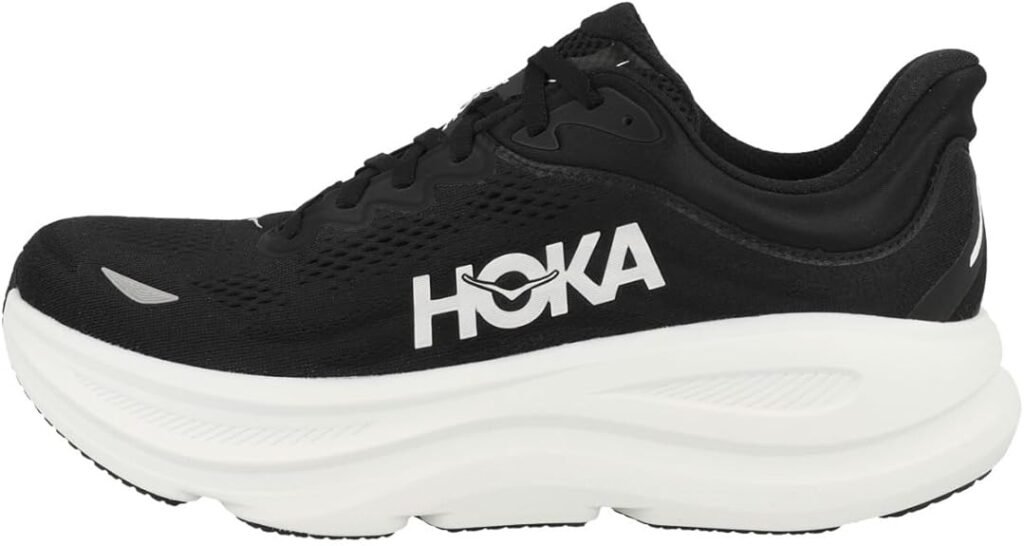
- Best Cushioned Walking Shoe (Knee-Friendly Feel): HOKA Bondi 9 (plush cushioning + APMA listing)
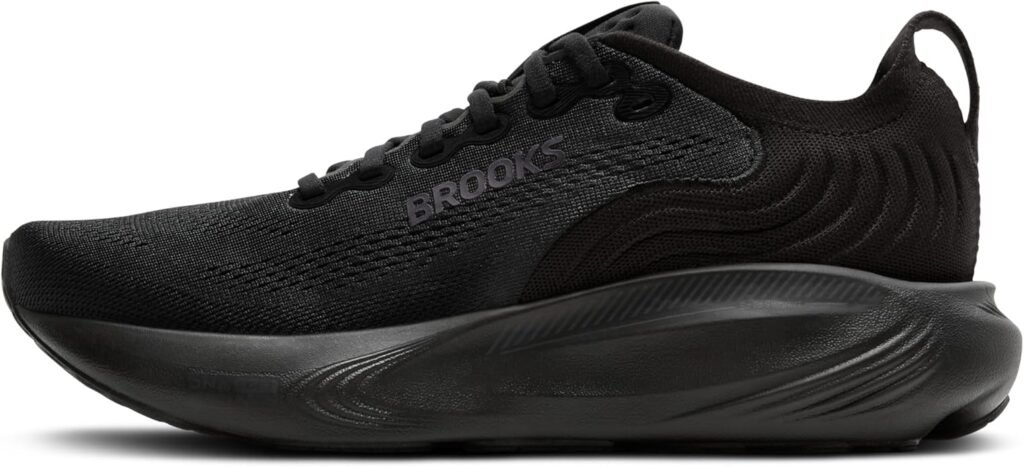
- Best for Arch Support + Stability Walking: Brooks Adrenaline GTS 25 (stability support + APMA listing)
- Best Orthopedic Dress Shoe: Vionic Uptown Loafer (packable loafer with APMA Seal on product page; also “Uptown” appears in APMA DB)
- Best for Standing All Day: Dansko Professional Clog (rocker-style clog often recommended for long shifts)
- Best Supportive Sandal: Birkenstock Arizona Soft Footbed (structured footbed + adjustable straps)
- Best Budget Supportive Sandal (Amazon Trend): Cushionaire Lane Cork Footbed Sandal (Amazon “No. 1 best-selling sandal” per Better Homes & Gardens coverage)
- Best Budget Walking Sneaker: Skechers Arch Fit (podiatrist-certified arch support system; many Arch Fit models appear in APMA DB)
- Best Wide Width Range (Value): Propét TravelBound Sneaker (multiple widths + removable footbed; brand notes Medicare-approval for therapeutic shoe benefit on product page)
- Best Hands-Free Convenience: Kizik Athens 2 (hands-free entry + rocker-style roll-through)
Comparison Table
| Product | Best For | Key Features | Editorial Take | CTA Placeholder |
|---|---|---|---|---|
| Orthofeet Kita Hands-Free Sneaker | Foot pain + easy step-in | Orthotic insole, roomy fit, hands-free | Great “start here” pick if you want support without fuss | [Check price] |
| HOKA Bondi 9 | Cushion + long days | Max cushioning, rocker geometry | If your feet hate hard floors, this is the “pillow with purpose” | [View deal] |
| Brooks Adrenaline GTS 25 | Stability + walking | Guided support, balanced cushion | A practical stability shoe for overpronation-style needs | [Check price] |
| New Balance Fresh Foam X 1540 v4 | Strong stability | Motion control elements, APMA listing | For serious stability needs and heavier-duty support | [Learn more] |
| ASICS GT-2000 14 | Stable daily walking | Support geometry, guidance system | A stable, modern option if you don’t want max cushioning | [Check price] |
| Vionic Uptown Loafer | Dress/work | Contoured arch support, removable footbed | Real support in a loafer silhouette | [View deal] |
| Dansko Professional Clog | Standing shifts | Rocker sole, stable base | Best for jobs that punish your feet | [Check price] |
| Birkenstock Arizona Soft Footbed | Supportive sandal | Cork-latex footbed, adjustable straps | A supportive “off-duty” sandal—better than flat flip-flops | [Learn more] |
| Cushionaire Lane Sandal | Budget sandal | Cork footbed style, adjustable straps | Budget alternative if you like the Birkenstock vibe | [Check price] |
| Skechers Arch Fit | Budget comfort | Removable arch-support insole | Great starter option if you need everyday arch support | [View deal] |
| Propét TravelBound | Wide widths | Multiple widths, removable footbed | If you need widths beyond “standard,” worth a look | [Check price] |
| Kizik Athens 2 | Hands-free | Step-in tech, rocker roll-through | A helpful option if bending/lacing is hard | [View deal] |
Why Trust This Guide
This guide was built to align with modern review-quality expectations (clear pros/cons, what sets each pick apart, and who each product is best for), consistent with Google’s guidance for writing high-quality reviews.
What we prioritized for women 30–70+ shopping for orthopedic footwear:
- Fit reality: toe box space, width options, swelling-friendly uppers, break-in expectations
- Support architecture: arch support, heel stability, overall platform stability, rocker-style roll-through where helpful
- Third-party trust signals: APMA Seal DB checks for key models/styles where available
- High-quality evidence sources: reputable editorial testing and/or expert-led guides (Good Housekeeping testing framework, Verywell Fit “how we tested,” Yahoo Health update logs)
- Safety framing for diabetes/neuropathy: careful wording and practical foot care cautions (inspect shoes, avoid rubbing/pinching, ask clinicians about therapeutic footwear)
12 Best Orthopedic Shoes for Women
1. Orthofeet Kita Hands-Free Sneaker
Best for: Women who want a supportive, roomy sneaker that’s truly easy to put on
Orthofeet Kita is a strong “start here” orthopedic sneaker because it combines built-in support with a pressure-conscious fit—and a hands-free entry design that’s genuinely helpful if bending, balance, or back pain makes lacing a hassle. It’s also listed in the APMA Seal database under women’s footwear, which is a meaningful trust signal beyond generic “podiatrist-approved” language.
Why it stands out:
It blends orthopedic-style structure with accessibility (hands-free step-in) without forcing you into a stiff, “medical-looking” shoe.
Key features:
- APMA Seal DB listing (“Kita” by Orthofeet, Inc.)
- Brand describes included orthotic insole + support system
- Designed for easy on/off (hands-free category positioning)
Pros:
- Good pick for people who want support and convenience
- Often favored in “walking shoe” roundups for comfort-oriented users
- Useful for swelling-prone days when a rigid upper is a dealbreaker
Cons:
- Supportive structure can feel “different” if you’re used to flat sneakers
- You still need correct sizing to avoid rubbing
Things to consider:
If you have diabetes or reduced sensation, prioritize fit and friction control: check inside the shoe before wearing and avoid areas that rub.
Recommended for:
Women with foot fatigue, plantar-fascia-style heel discomfort, wide-foot fit needs, or anyone who values hands-free entry
Not ideal for:
Someone who wants a minimal, flexible shoe feel or needs a very dressy look
2. HOKA Bondi 9
Best for: Women who want maximum cushioning for walking or long days on hard floors
The Bondi 9 is one of the most recognized max-cushion shoes for a reason: it’s designed for “everyday miles” with a plush feel, and it appears as “Bondi 9” in the APMA Seal DB women’s footwear list. If your feet feel beat up by concrete, this is the kind of shoe many people try when they want impact protection.
Why it stands out:
A max-cushion platform + rocker-style geometry tends to make walking feel smoother, especially during long wear.
Key features:
- APMA Seal DB listing for “Bondi 9”
- Brand positioning: “ultra-cushioned” + “increased stack height” + supportive bed
- Rocker described in third-party review analysis
Pros:
- Plush cushioning that’s often preferred by “hard floor” walkers
- Can feel protective for knees/hips simply by reducing harsh impact (comfort-focused benefit)
- Good choice when you want cushion without “barefoot-style” minimalism
Cons:
- Bulkier silhouette
- Very soft shoes can feel unstable for some people (especially if balance is a concern)
Things to consider:
If you’re sensitive to “high stack” shoes or feel wobbly in soft foam, consider a more structured stability shoe instead.
Recommended for:
Women prioritizing cushioning for walking, travel, recovery days, or long standing shifts
Not ideal for:
Anyone who needs a very firm platform, has significant balance issues, or prefers lightweight shoes
3. Brooks Adrenaline GTS 25
Best for: Women who want stable, supportive walking with guided suppor
The Adrenaline line is a “stability workhorse” in many shoe guides, and the APMA Seal DB lists “Brooks Adrenaline GTS 25” in women’s footwear. It’s commonly described as supportive for walking as well as running, making it a strong option for people who want arch support and a more controlled, steady ride.
Why it stands out:
It’s built for structured support—more “guided” than a neutral sneaker—without forcing you into a stiff orthopedic shoe silhouette.
Key features:
- APMA Seal DB listing for “Brooks Adrenaline GTS 25”
- Brand states “structured support” and “walking” in “Best for” use
- Often recommended for support needs in podiatry-oriented roundups
Pros:
- Supportive for long walks and long shifts
- A good “middle ground” between ultra-soft and ultra-firm for many shoppers
- Well-known model with frequent updates and broad availability
Cons:
- Can feel too structured if you prefer a natural, flexible shoe
- Not the most “dressy” silhouette
Things to consider:
Don’t size down hoping it “breaks in.” Fit should be comfortable immediately (roomy toe box, secure heel) to reduce rubbing and blister risk.
Recommended for:
Women who overpronate or want a stable walking shoe with meaningful support
Not ideal for:
Minimalist shoe fans, or shoppers who need a dress shoe look
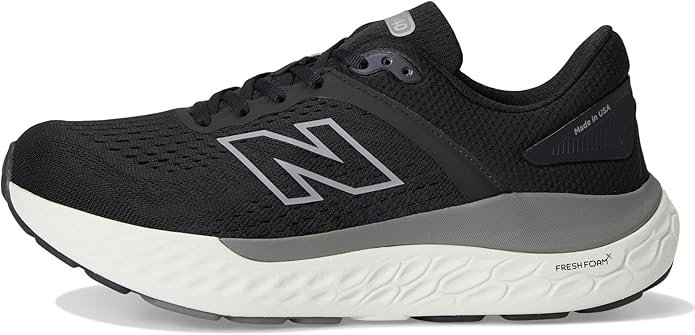
4. New Balance Fresh Foam X 1540 v4
Best for: Women who need stronger stability/motion control (including heavier-duty support needs)
If you’ve tried “typical supportive sneakers” and still feel unstable, the Fresh Foam X 1540 v4 is designed for enhanced support (New Balance specifically references a stability post system), and it’s listed by APMA and on New Balance’s own site as receiving the APMA Seal of Acceptance.
Why it stands out:
This is closer to a “serious stability tool” than a casual comfort sneaker—more structure, more control.
Key features:
- APMA Seal DB listing for “Fresh Foam X 1540 v4”
- New Balance describes a stability post system and APMA Seal on the product page
- Two removable inserts (helpful when managing fit volume and orthotics)
Pros:
- Very supportive platform for people who feel “tippy” in soft shoes
- Good candidate for orthotic wearers because of removable inserts
- Strong trust signal via APMA listings
Cons:
- More expensive
- Can feel “firm” or “built” compared with lifestyle sneakers
Things to consider:
This level of structure isn’t necessary for everyone. If your main issue is impact discomfort, a cushioned rocker shoe may feel better than motion control.
Recommended for:
Women who want maximum stability, including those with overpronation-type needs
Not ideal for:
Anyone who wants a soft, flexible, minimalist feel
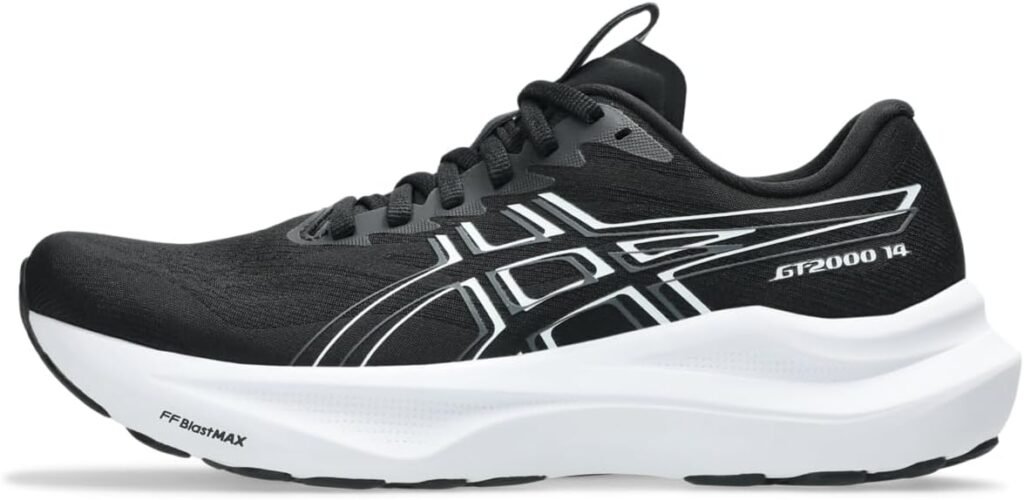
5. ASICS GT-2000 14
Best for: Women who want stable daily walking support without going full “motion control”
The GT-2000 series is positioned by ASICS as a balance of stability and responsiveness, and third-party lab-style reviews highlight stability-through-geometry and supportive construction features. It’s a good “serious walking sneaker” option when you want guidance but don’t want the bulkiest max-cushion builds.
Why it stands out:
Stability via supportive geometry (instead of a harsh “post” feel) can be a better comfort match for some feet.
Key features:
- ASICS explains the series’ stability positioning and evolution
- RunRepeat notes lateral stability and supportive midsole geometry in analysis
- Designed as a stability shoe category placement
Pros:
- A supportive daily trainer style that also works for walking
- Often a good compromise: not ultra-soft, not ultra-rigid
Cons:
- The “feel” can be polarizing (some love stable; some call it clunky)
- Not a dress/work shoe look
Things to consider:
If you have bunions, prioritize toe box comfort first—stability won’t help if the front of the shoe squeezes.
Recommended for:
Women who want an athletic walking “tennis shoe” with stability support
Not ideal for:
People who want a wide toe box by default or a very soft shoe
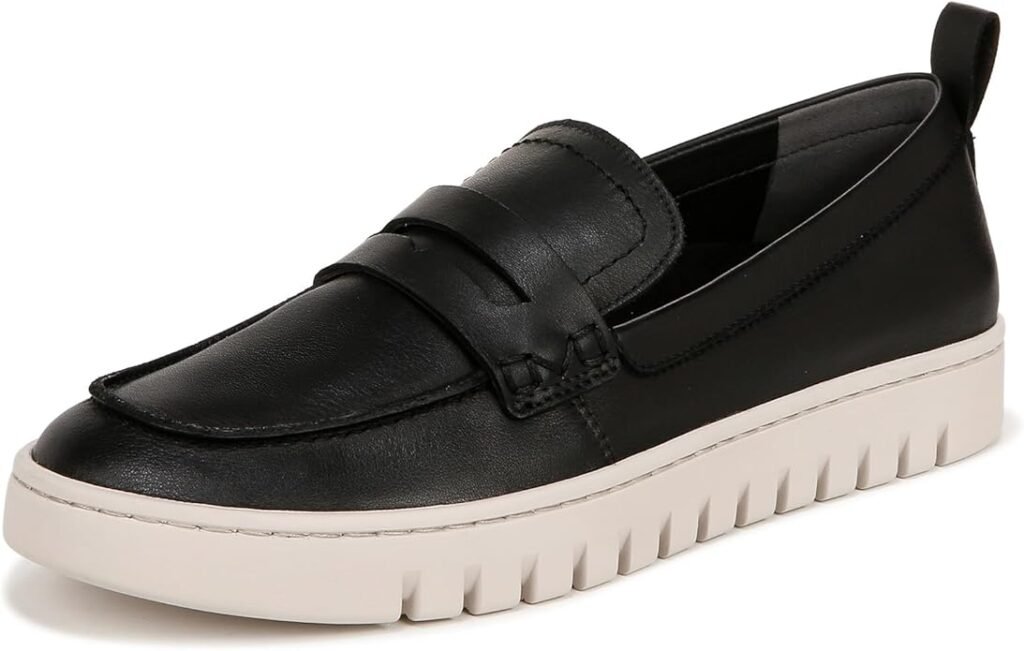
6. Vionic Uptown Loafer
Best for: Women who need a more polished shoe that still has real support
Most “orthopedic shoe” roundups skew sporty. The Uptown Loafer is a rare example of a work-appropriate loafer that still centers arch support and stability: Vionic’s product page calls out contoured arch support, a deep heel cup, a removable footbed—and states it received the APMA Seal of Acceptance. The APMA Seal DB also includes “Uptown” under Vionic/Caleres listings.
Why it stands out:
It’s designed to look like an everyday loafer but function more like a supportive comfort shoe.
Key features:
- Product page: removable footbed, contoured arch support, deep heel cup
- Product page: APMA Seal of Acceptance noted
- APMA DB: “Uptown” listed under Vionic (Caleres Inc.)
Pros:
- One of the more wearable “office” picks in this guide
- Removable footbed helps if you use orthotics
- Strong trust anchors (APMA mentions)
Cons:
- Loafers can fit differently than sneakers (heel slip risk if sizing is off)
- Not ideal for heavy rain or highly active days
Things to consider:
If you’re blister-prone, wear around the house first with the socks you’d use at work, and stop if you feel heel slip or hot spots.
Recommended for:
Professionals who stand and want a supportive loafer silhouette
Not ideal for:
Anyone who needs maximum cushioning or a wide athletic toe box
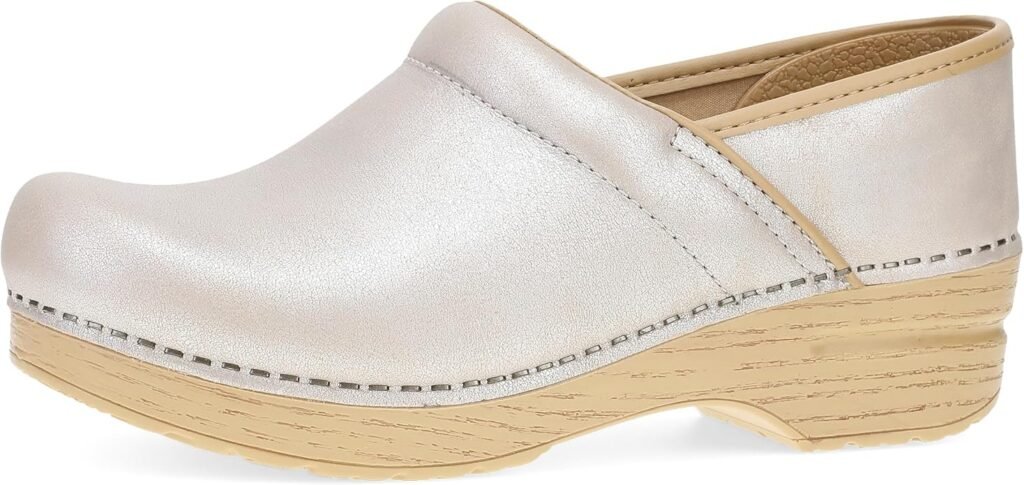
7. Dansko Professional Clog
Best for: Women who stand/walk on hard floors for hours (healthcare, teaching, service work
If your day is basically “concrete + nonstop,” a supportive clog can make sense. Achilles Foot and Ankle Center highlights the Dansko Professional clog as a go-to for long shifts, emphasizing rocker-bottom design and a stable base for smoother forward motion and reduced forefoot pressure.
Why it stands out:
A rocker-bottom, stable platform is purpose-built for long standing and repetitive walking.
Key features:
- Rocker-bottom sole concept for smoother heel-to-toe roll-through
- Stable base emphasized for balance/support on hard surfaces
- Dansko notes built-in arch support and contoured footbeds across clog styles
Pros:
- One of the best “workhorses” for standing jobs
- Slip-on convenience with a work-focused build
Cons:
- Clog fit has a learning curve
- May not be ideal if you have ankle instability (ask your clinician)
Things to consider:
This is not a “cute weekend sneaker.” It’s a tool. Try with your work socks and walk briskly to test stability.
Recommended for:
Nurses, teachers, retail/hospitality workers, stylists—anyone standing 6–12+ hours
Not ideal for:
People who dislike clogs, need lace-up ankle security, or have balance concerns
8. Birkenstock Arizona Soft Footbed
Best for: Women who want a supportive sandal for warm weather or at-home wea
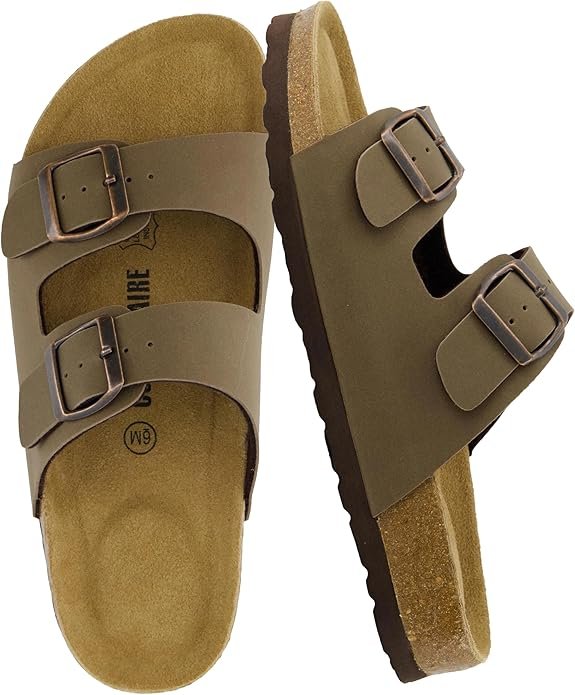
Not all sandals are created equal. Achilles Foot and Ankle Center specifically calls out the Arizona Soft Footbed as a rare sandal option with real structure, citing the molded cork-latex footbed and adjustable straps. Birkenstock’s own product description highlights pronounced arch support, a deep heel cup, and a roomy toe box in the contoured footbed.
Why it stands out:
It’s a “supportive sandal” category leader—more structured than flat slides.
Key features:
- Contoured cork footbed with arch support + deep heel cup
- Adjustable straps help fine-tune fit
- Soft footbed version adds an extra cushioning layer
Pros:
- Great “off-duty” option if you hate flimsy flip-flops
- Adjustable straps help with mild swelling and bunion sensitivity
Cons:
- Break-in period is common
- Open-toe isn’t ideal for everyone (especially diabetes/neuropathy—ask your clinician)
Things to consider:
Start with short wear times so your feet adapt to the contoured footbed.
Recommended for:
Women who want supportive casual sandals in warm weather
Not ideal for:
Anyone needing closed-toe protection, or those with significant neuropathy without clinician approval
9. Cushionaire Lane Cork Footbed Sandal
Best for: Budget shoppers who want a cork-footbed style sandal with arch support vibes
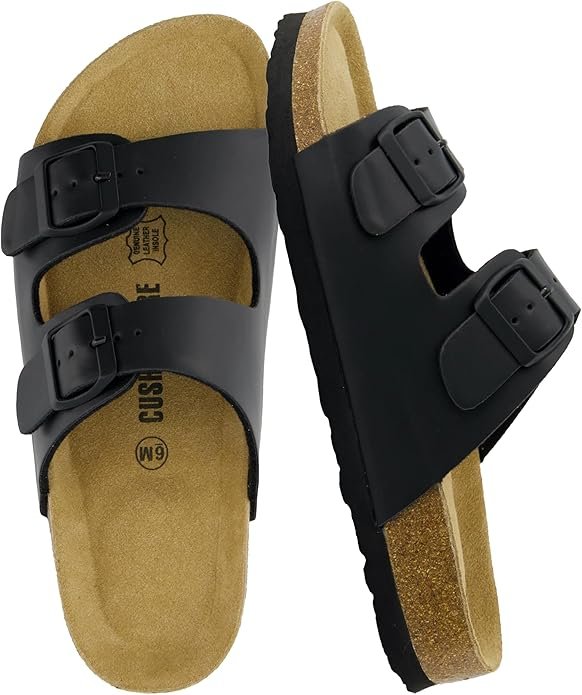
If you want the general “contoured footbed + buckle straps” concept at a much lower price than premium sandals, Cushionaire’s Lane is frequently positioned as a budget alternative. Better Homes & Gardens reported it as Amazon’s No. 1 best-selling sandal and noted very large shopper review volume—making it one of the clearest “popular budget” signals available for this category.
Why it stands out:
It’s a mass-market, budget-friendly way to try the contoured-footbed sandal style.
Key features:
- Cork-footbed inspired design + adjustable buckles (per coverage)
- Frequently positioned as supportive for casual wear (per coverage)
Pros:
- Very accessible price point
- Easy to test whether you like contoured footbeds
Cons:
- Materials/durability may not match premium brands
- Fit consistency can vary more in budget footwear
Things to consider:
If you have very sensitive feet, diabetes, or frequent rubbing issues, premium materials and better interior finishing can matter more than price.
Recommended for:
Budget sandal shoppers, casual errands, travel backups
Not ideal for:
People who need maximum durability, closed-toe support, or diabetic-therapeutic footwear
10. Skechers Arch Fit
Best for: Everyday comfort shoppers who want arch support without premium pricing
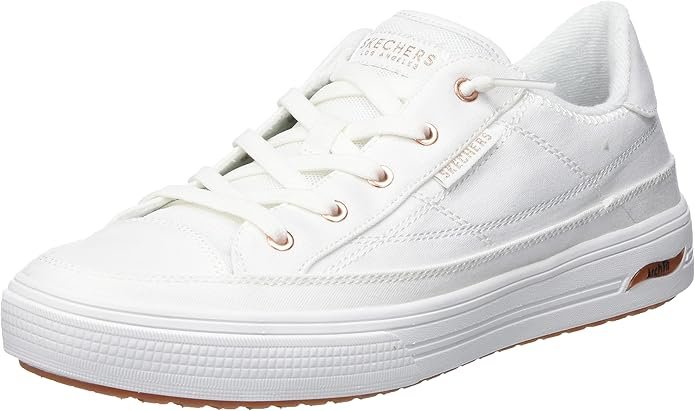
Skechers’ Arch Fit positioning is clear: podiatrist-certified arch support developed using decades of data and a large dataset of foot scans, with a removable cushioning insole system. The APMA DB also includes many Skechers Arch Fit models/collections, which helps separate marketing language from verifiable third-party listing.
Why it stands out:
It’s one of the more accessible “arch support built-in” ecosystems, with many slip-on friendly options.
Key features:
- Brand positioning: podiatrist-certified arch support, developed with extensive foot scan data
- Removable supportive cushioning insole system
- Multiple Arch Fit models listed in APMA DB (varies by exact style/SKU)
Pros:
- Often easier on budgets than premium athletic stability shoes
- Many options: sneakers, slip-ons, sandals
- Good “first step” if you’re upgrading from flat casual shoes
Cons:
- Not every style will be enough for more complex foot issues
- Style-by-style fit can vary
Things to consider:
Look for a roomy toe box and a stable heel. If you feel pressure points on day one, return and try a different last/shape.
Recommended for:
Everyday errand-walkers, travelers, casual workers who want more arch structure
Not ideal for:
Women needing maximum medical-grade depth or highly customized orthotics
11. Propét TravelBound Sneaker
Best for: Women who need width choices (including extra wide) and orthotic-friendly volume
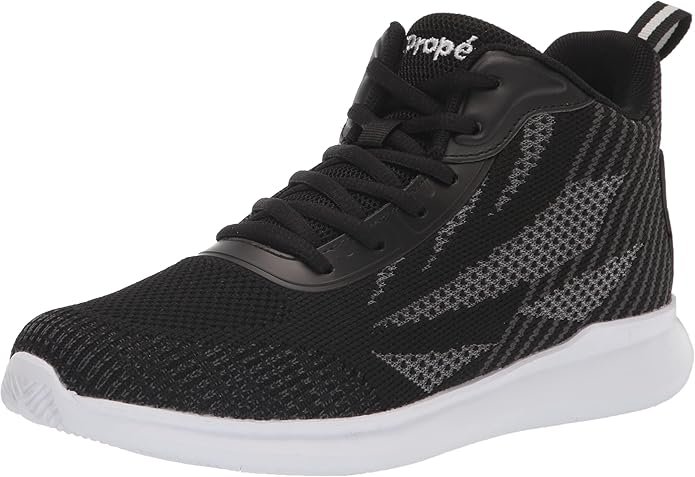
Propét’s TravelBound is a practical pick when sizing is the main challenge. The brand’s product page emphasizes multiple widths, removable footbeds, and even notes Medicare approval for reimbursement under the Medicare therapeutic shoe benefit (important for some diabetes-qualifying shoppers). Medicare’s official guidance also confirms therapeutic shoes/inserts coverage requires certification and prescriptions through appropriate clinicians/suppliers.
Why it stands out:
Expanded width offerings + removable footbed = less “fit roulette.”
Key features:
- Removable footbed to accommodate custom orthotics
- Multiple widths offered (including wide and extra-wide options)
- Brand notes Medicare-approval status for therapeutic shoe benefit on the product page
Pros:
- Strong fit-access option for wide feet
- Useful for orthotic wearers
- Sporty travel/errand friendly
Cons:
- Aesthetic is casual/athletic
- Not a “fashion sneaker” silhouette
Things to consider:
If you’re shopping due to diabetes, follow safe footwear habits: ensure shoes don’t pinch or rub, check inside before wearing, and ask your clinician about therapeutic footwear if needed.
Recommended for:
Wide feet, swelling-prone feet, orthotic wearers, comfort-first travelers
Not ideal for:
Dress shoe needs or people who want maximal cushioning
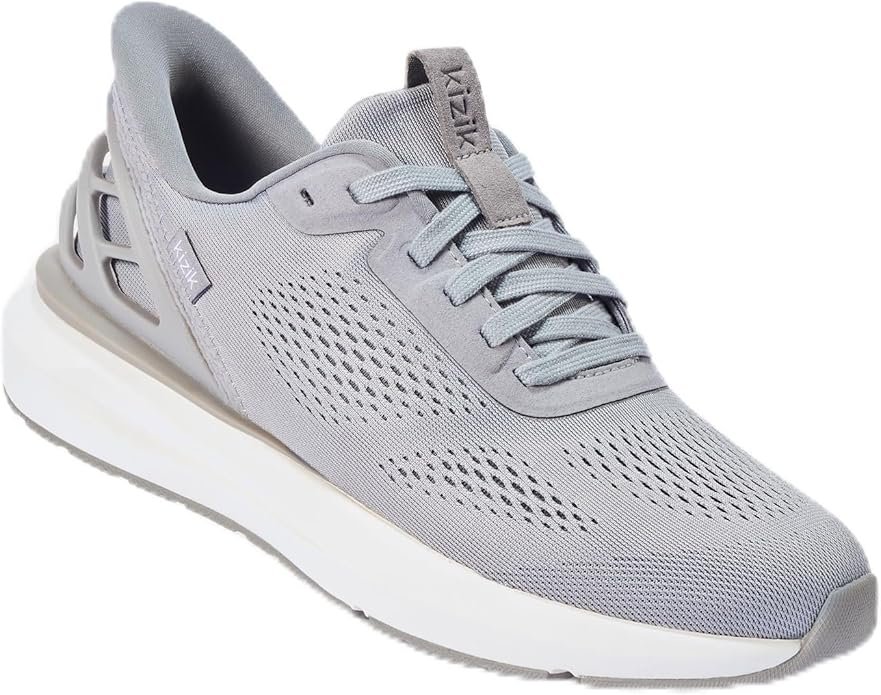
12. Kizik Athens 2
Best for: Women who want hands-free shoes that still feel like a real sneaker
Hands-free can be more than a gimmick if you have back pain, mobility limits, pregnancy-related bending difficulty, or you simply want a shoe that’s easier to get on and off. Kizik’s product description highlights hands-free tech, breathable mesh, and rocker-style roll-through; Amazon also flags the brand as “trending” with a high recent order volume indicator (a useful popularity cue for affiliate shoppers).
Why it stands out:
You get convenience without settling for a flimsy slip-on.
Key features:
- Hands-free entry technology (brand positioning)
- Rocker sole for smooth heel-to-toe movement
- Amazon marketplace flags “Trending” and “10K+ orders in past 3 months” at time of capture
Pros:
- Easy on/off without heel crushing
- Good everyday-travel sneaker concept
- Helpful if bending is difficult
Cons:
- Not necessarily the best choice for severe deformities or specialized therapeutic needs
- Cost can be mid-to-premium
Things to consider:
Hands-free doesn’t replace proper fit. Make sure your heel feels secure and you still have toe room.
Recommended for:
Busy parents, travelers, people with mobility limitations, anyone who wants convenience and a real sneaker feel
Not ideal for:
Shoppers who need extra-depth medical footwear or highly specialized orthotics
Buying Guide
How to choose the right orthopedic shoe
Start with where your discomfort is and what your day looks like.
- Heel pain / plantar-fascia-type discomfort: Look for cushioning + arch support, and avoid very flat shoes without built-in arch support.
- Bunions / forefoot pressure: Prioritize a wide toe box, flexible uppers, low heel height, and arch support.
- Standing all day on hard floors: Consider a stable platform and rocker-style roll-through designs (clogs or rocker sneakers).
- Diabetes / reduced sensation: Fit and friction control are essential—avoid pinching/rubbing, and check the inside of shoes before wearing. Ask your clinician about therapeutic shoes/inserts if appropriate.


The most important “formula features” for shoes (translated for shoppers)
Think of these like the “active ingredients” of footwear:
- Arch support: Helps distribute load and can reduce strain for some common mechanics issues.
- Heel stability (heel counter + deep heel cup): Helps reduce excess movement and rubbing.
- Toe box room: Prevents pressure on bunions and lets toes splay.
- Cushioning: Helps absorb impact; too much softness can feel unstable for some people.
- Rocker geometry: Can make forward motion feel easier during long shifts and can reduce forefoot bending in some cases.
Fragrance and sensitivity considerations (foot-care version)
Footwear doesn’t have “fragrance,” but it does have materials and interiors that can irritate sensitive skin:
- If you’re blister-prone or have sensitive feet, prioritize smooth interiors, breathable uppers, and correct sizing (no pressure points on day one).
- If you have diabetes, follow conservative foot safety habits and ask your clinician about appropriate footwear.
Budget vs premium
- Budget can work for mild discomfort and casual use, but may have more variance in materials and interior finishing.
- Premium often buys better cushioning foams, more refined fit engineering, and sometimes third-party credibility signals.
Mistakes to avoid before buying
- Buying a “supportive shoe” that’s too narrow in the toe box.
- Assuming you can “break in” a bad fit (especially risky for diabetes/neuropathy).
- Wearing flat sandals/flip-flops for long walking when you’re managing heel discomfort—supportive footwear matters.
Best for Different Types of Users
- Teenage girls: Look for stable athletic sneakers with real arch support; avoid flimsy fashion sneakers if you’re walking a lot.
- Adult women: Match shoe type to routine (work shifts vs errands vs walking workouts).
- Older women: Prioritize stability, easy on/off, and toe box comfort; hands-free can help if bending is difficult.
- Beginners (new to “support” shoes): Start with a medium-support shoe (Skechers Arch Fit or Adrenaline-style stability) before going extreme motion control.
- Makeup minimalists / full-glam users: Translation: if you dress up often, invest in at least one supportive loafer (Uptown) or work shoe that still looks polished.
- Sensitive skin users: Focus on smooth interiors, breathable uppers, and “no hot spots day one.”
- Oily/dry skin users: Translation: sweaty feet benefit from breathable uppers; dry, sensitive feet benefit from soft linings and correct sizing to avoid friction.
- Acne-prone users / curly hair / color-treated hair: Not applicable—focus instead on foot sensitivity, sweat, and friction control.
- Budget shoppers: Consider Skechers Arch Fit or a budget supportive sandal; accept durability trade-offs.
- Premium buyers: Invest in proven models (Bondi 9, 1540 v4, Adrenaline GTS 25) and prioritize return policies and fit testing at home.
- Travelers: Look for stable walking shoes, breathable uppers, plus one supportive dress option (loafer).
Who Should Avoid This Product Category
Orthopedic/supportive shoes can be a smart purchase—but they’re not always the right first step.
You may need a different approach if:
- You have open sores or significant diabetic foot complications (get clinician guidance first).
- You have severe pain, sudden swelling, or worsening symptoms—footwear can support comfort, but it’s not a diagnosis or treatment plan.
- You need therapeutic shoes/inserts coverage: start with the Medicare criteria and clinician certification steps.
FAQ
What are the best orthopedic shoes for women with arch support?
Look for shoes with clear arch structure (built-in orthotic footbeds or stability platforms) and confirm fit. Options like Adrenaline GTS 25 and many Arch Fit models are designed around arch support; some are also listed in the APMA Seal DB.
What’s the best orthopedic shoe for women who walk a lot?
Prioritize stable cushioning and a secure heel, plus toe box room. Max-cushion rocker shoes (Bondi 9) and supportive stability shoes (Adrenaline-style) are common picks for high-step-count days.
Which orthopedic shoes are best for plantar fasciitis in women?
Clinical sources commonly recommend supportive, well-cushioned shoes and avoiding flat shoes without arch support. Choose supportive sneakers that feel comfortable immediately and don’t rub.
What are the best orthopedic shoes for women with wide feet?
Start with brands/models offering multiple widths and roomy toe boxes (Propét TravelBound width range; motion-control shoes like 1540 v4 also exist in women’s sizing).
Are orthopedic slip-on shoes for women actually supportive?
Some are. “Hands-free” and slip-on shoes can still be supportive if they have a stable heel, arch support, and a secure fit (e.g., Orthofeet hands-free category; Kizik Athens 2 rocker design).
What are the best orthopedic dress shoes for women?
Look for loafers/flats/booties with contoured arch support, a deep heel cup, and a stable outsole. The Vionic Uptown Loafer explicitly lists these features and notes an APMA Seal on the product page.
What if I want the best orthopedic shoes for knee pain (women’s)?
Footwear can’t treat knee problems, but many people prefer more cushioning and stability when joints feel sensitive. Max-cushion shoes (Bondi 9) and stable “guided” shoes can feel more comfortable for long walking on hard surfaces.
Are there orthopedic shoes covered by Medicare for women with diabetes?
Medicare covers therapeutic shoes/inserts for qualifying diabetes patients when the treating doctor certifies the need and the shoes/inserts are prescribed and supplied through qualified channels. Start with Medicare’s official coverage page and CMS compliance guidance.
Final Verdict
If you want one pair to start with, Orthofeet Kita Hands-Free is a strong overall pick because it combines support, roomy comfort engineering, and convenience—and appears in the APMA Seal database.
- Best overall: Orthofeet Kita Hands-Free Sneaker
- Best value: Skechers Arch Fit (choose an Arch Fit model that fits your foot shape; many are APMA-listed)
- Best premium support: New Balance Fresh Foam X 1540 v4
- Best for all-day cushioning: HOKA Bondi 9
- Best for standing shifts: Dansko Professional Clog
- Best dress option: Vionic Uptown Loafer