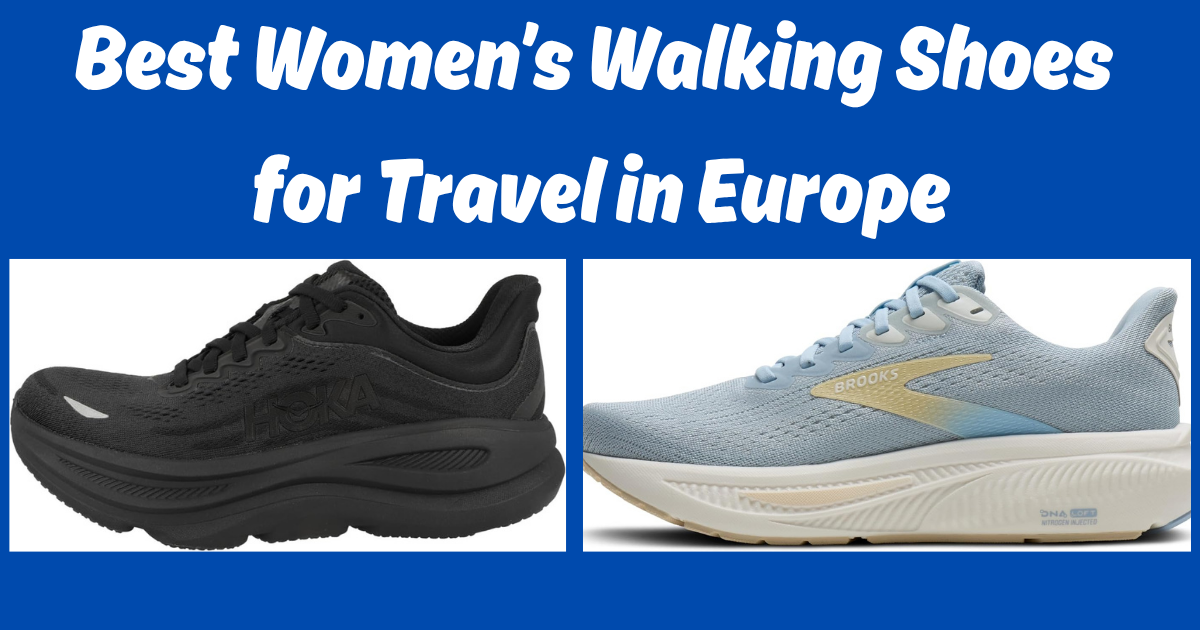
Walking Europe all day? Compare stylish, supportive women’s travel walking shoes—waterproof, wide-foot friendly picks, plus fit tips for 2026.
Table of Contents
Affiliate disclosure (editorial transparency): This post may contain affiliate links (including Amazon). If you buy through our links, we may earn a commission at no extra cost to you. Our site’s disclosure explains how affiliate links work and why we use them.
How this guide was created: We did not personally wear-test every shoe in this roundup. Recommendations are based on product research, official brand specifications, fit/width availability, materials review, reputable editorial testing notes from established publishers, and verified buyer feedback patterns where available.
If you’re planning a walking-heavy trip, best women’s walking shoes for travel in europe isn’t a “nice-to-have” search—it’s damage control for your feet.
European city days can mean hours on hard museum floors, long transit walks, hills, and plenty of uneven streets. The wrong shoes can turn “day three” into blisters, sore arches, and limp-to-dinner energy. Several leading travel and footwear roundups emphasize that travel shoes need to stay comfortable for long wear—and the most useful ones explain why support, cushioning, and fit matter.
This guide covers:
- quick picks for the most common traveler needs (wide feet, rain, work-friendly style),
- a comparison table that makes trade-offs obvious,
- and a buying guide built around Europe realities: cobblestones, sudden rain, and packing light.
If you’re looking for overall comfort and support, you may also want to explore our full guide to the best orthopedic shoes for women, which covers a wider range of options.
Quick Picks
- Best overall (most travelers): HOKA Clifton 10
- Best value (stylish, affordable comfort): Dr. Scholl’s Time Off Sneaker
- Best premium (max cushion for long days): HOKA Bondi 9
- Best waterproof (rainy cities / shoulder seasons): Brooks Ghost 17 GTX
- Best leather sneaker (not “gym shoe” energy): ECCO Soft 7 Leather Sneaker
- Best for wide feet and bunion-friendly room: New Balance 1080v15 (wide & x-wide)
- Best sleek, minimalist travel sneaker: On Cloudtilt
- Best hands-free slip-on convenience: Kizik Athens 2
- Best city-to-trail day trips (more grip + protection): Merrell Moab 3 Waterproof
- Best “not sneakers” option for dinners/work outfits: Vionic Willa 2.0 Flat
Comparison Table
Note: Prices shift by color and retailer; treat these as typical ranges and verify at checkout.
| Product | Best For | Key Features | Material / Fit / Style Notes | Price Range | Editorial Take | CTA Placeholder |
|---|---|---|---|---|---|---|
| HOKA Clifton 10 | Most Europe itineraries | Plush cushioning, breathable upper, multiple widths | Modern athletic look; works with casual capsules | $150–$160 | Best “start here” for comfort-first travelers | Check price |
| HOKA Bondi 9 | Max cushion / joint relief | High cushion, durable outsole, APMA-accepted | Chunkier silhouette; best with athleisure + relaxed fits | $170–$180 | Premium pick if you want the most cushion | View deal |
| Brooks Ghost 17 GTX | Rain, fall/winter trips | Waterproof GORE-TEX, balanced cushioning | Sporty look; great for wet days | $160–$180 | Best waterproof walking shoe choice in this list | Check price |
| Dr. Scholl’s Time Off | Value + style | Arch-support insole tech, platform, easy-clean sidewall | Elevated casual; good with jeans/skirts | $70–$110 | Best “stylish comfort on a budget” | Check price |
| ECCO Soft 7 | Leather sneaker look | Removable inlay sole, leather upper, comfort system | Minimal Scandinavian vibe; office-friendly casual | $150–$180 | Best choice if you hate sporty-looking shoes | Learn more |
| New Balance 1080v15 | Wide feet / plush | Extra-soft cushion, wide & x-wide options | Modern runner silhouette; supportive for long days | $160–$170 | Best comfort + width flexibility | Check price |
| On Cloudtilt | Sleek travel style | Lightweight, walking-tuned midsole, speed laces | Minimal look; great for compact packing | $160–$170 | Best for minimalists who still want cushion | View deal |
| Kizik Athens 2 | Hands-free on/off | Hands-free tech, cushioned midsole | Clean sneaker style; easy airports/hotels | $100–$140 | Best “no-bending” travel sneaker | Check price |
| Merrell Moab 3 Waterproof | Day trips + uneven ground | Waterproof membrane, Vibram outsole, stability | Outdoorsy styling; wear with sporty travel fits | $120–$150 | Best if your itinerary includes trails/hills | Learn more |
| Vionic Willa 2.0 Flat | Not sneakers | APMA-accepted, arch support, deep heel cup | Dressier; packs as a second shoe | $120–$150 | Best for “one sneaker + one flat” packing | View deal |
Why Trust This Guide / How We Chose
We built this roundup using a “Europe travel walking” filter, not a generic running-shoe list.
Our selection criteria prioritized:
- All-day comfort under urban mileage (cushioning + stable support)
- Fit realism (width options, removable insoles, sizing guidance from brands/retailers)
- Wet-weather readiness (waterproof models where it matters, and honest notes about breathability trade-offs)
- Outsole grip + stability for uneven streets (wide platforms, durable rubber, trail-ready outsoles for day trips)
- Style versatility (can you wear it with a travel capsule without feeling like you packed gym shoes?)
Where a shoe has the APMA Seal of Acceptance, we treat it as a meaningful trust marker—but not a “miracle guarantee.” APMA itself describes the Seal as a recognition program for products found beneficial to foot health; it’s not the same thing as a blanket endorsement.
Best Women’s Walking Shoes for Travel in Europe (Reviews)
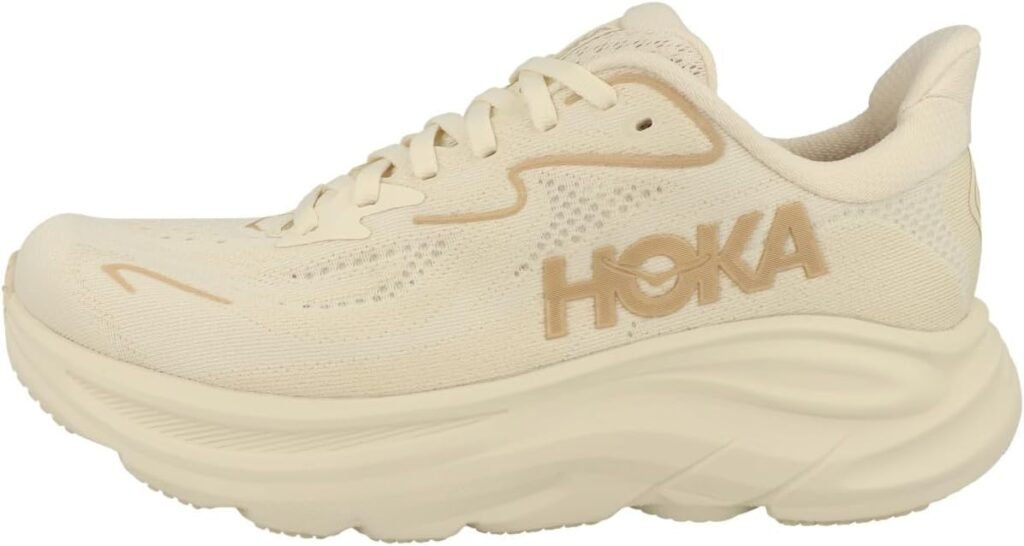
1. HOKA Clifton 10
Best for: most women doing walking-heavy city itineraries who want plush comfort without a super-bulky silhouette
If you want one shoe that can handle long city days and still feels light enough to pack and wear repeatedly, the Clifton 10 is an easy place to start. The brand positions it for both walking and everyday miles, with a breathable upper and a cushioned midsole designed for smooth transitions.
Why it stands out:
It’s a “daily workhorse” style built for steady comfort—great for travelers who expect lots of steps and don’t want to overthink their shoe choice.
Key features:
- Cushioned midsole designed for protective comfort and a responsive toe-off
- Breathable upper materials and a durable outsole
- Available in multiple widths (helpful if your feet swell during travel)
Source notes: Clifton 10 positioning, price, and construction details come from the official product listing.
Pros:
- Strong “all-day” comfort profile for walking-heavy travel
- Easier to style than many maximal trail shoes (clean athletic look)
- Width options make fit more forgiving than one-width sneakers
Cons:
- Still reads as an athletic sneaker (not a leather “European casual” shoe)
- Like most cushioned trainers, it’s not the smallest “pack-flat” shoe
Things to consider:
If you’re traveling in hot summer months, prioritize breathable uppers and moisture-managing socks—especially if you’re choosing thicker cushioning. Many travel roundups call out breathability as a key comfort factor for long wear.
Recommended for: comfort-first travelers doing 10k–25k step city days
Not ideal for: minimalist dressers who want a leather sneaker silhouette
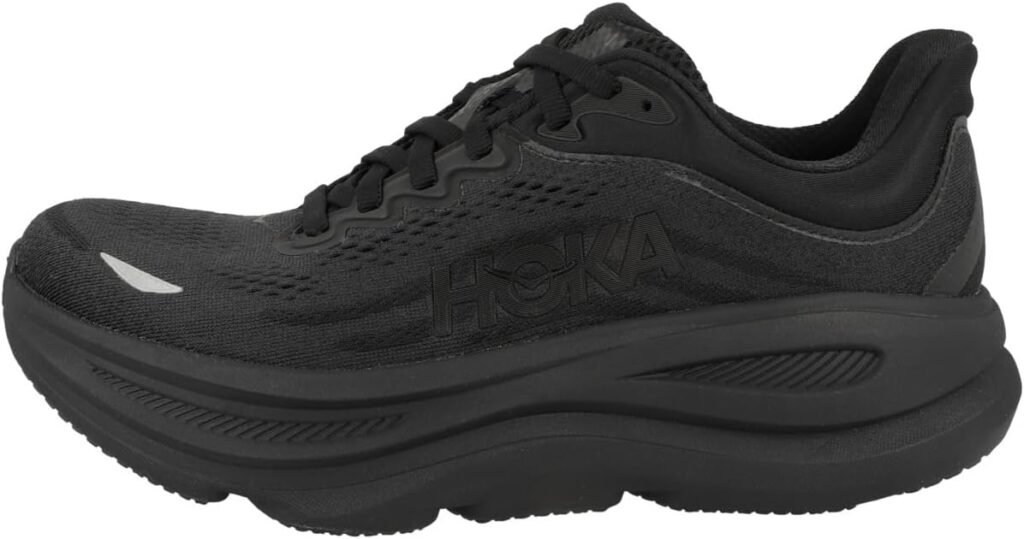
2. HOKA Bondi 9
Best for: travelers who want maximum cushioning (especially if you tend to get knee/hip fatigue on long walking trips)
The Bondi 9 is the “go big on cushioning” pick. The brand describes it as an ultra-cushioned everyday shoe for running or walking, with updates like increased stack height and a premium foam midsole.
Why it stands out:
It’s one of the most cushioned, comfort-forward options in this price tier—ideal for travelers who know their joints complain after long days on hard ground.
Key features:
- High-cushion platform and premium foam midsole
- Finished with durable rubber in high-wear zones
- Listed as APMA-accepted on the brand spec page
Source notes: Bondi 9 feature summary and APMA acceptance are from the official listing.
Pros:
- Plush, protective feel for long walking days
- Durable outsole materials aimed at high-wear zones
- APMA-accepted (useful trust signal for some shoppers)
Cons:
- Bulkier silhouette can feel “too sneaker” with dressier outfits
- Max cushion isn’t everyone’s preference; some travelers prefer a lower, firmer feel for stability
Things to consider:
If you pack the Bondi, plan outfits around it: wide-leg trousers, full-length jeans, utility pants, and relaxed dresses tend to balance the chunkier profile better than ultra-slim silhouettes. Travel-fashion editors often recommend thinking about shoe color and outfit palette for versatility.
Recommended for: premium buyers; comfort-first shoppers; older women who prioritize cushioning
Not ideal for: trend-minimalists who want a sleek, low-profile shoe
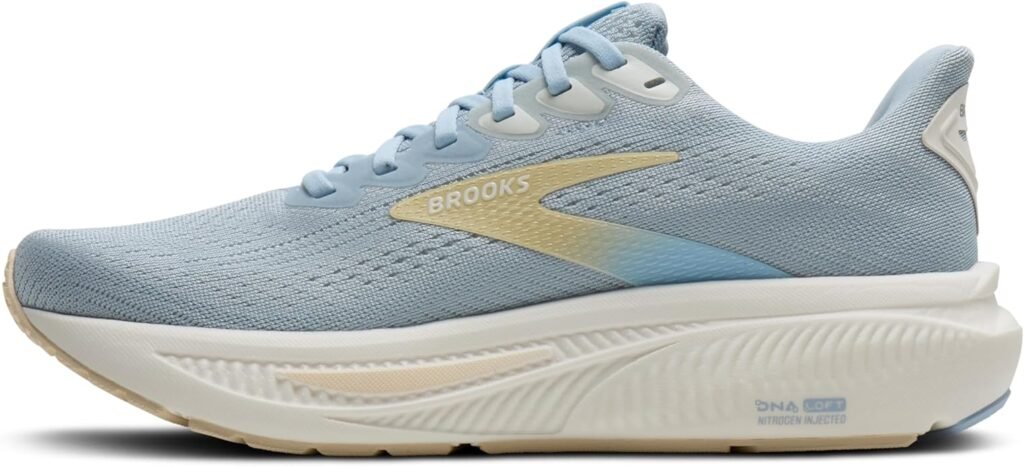
3. Brooks Ghost 17 GTX
Best for: rainy Europe trips (spring/fall), winter city days, and anyone prioritizing dry socks
If you’re traveling in a season where rain is likely, a waterproof sneaker can save your trip mood. The Ghost 17 GTX specifically combines a waterproof GORE‑TEX layer with a cushioned ride designed for walking and runs, according to the brand’s product details.
Why it stands out:
It’s a recognizable, balanced-cushion shoe made in a waterproof version—without jumping to a heavy hiking boot.
Key features:
- Waterproof GORE‑TEX layer integrated into the upper
- Built for wet/rainy conditions (brand-stated “best for”)
- Cushioned ride designed for walking comfort
Source notes: Waterproof construction and intended use are from Brooks’ product listing.
Pros:
- Keeps rain out (high practical value for Europe shoulder seasons)
- More “city-friendly” than many trail boots while still weather-ready
- GORE‑TEX membranes are designed to block liquid water while allowing water vapor to escape
Cons:
- Waterproof membranes can reduce airflow vs non-waterproof mesh; some travelers overheat in warm months
- Sporty running-shoe look may not suit dressier outfits
Things to consider:
If your trip is summer-heavy, you may be better with a breathable shoe and a compact water-resistant backup (or a second pair). Many travel guides recommend two pairs for this reason.
Recommended for: winter travelers; fall trips; “I hate wet feet” shoppers
Not ideal for: summer Europe travelers prioritizing breathability
4. Dr. Scholl’s Time Off Sneaker
Best for: travelers who want a stylish, comfortable sneaker at a friendlier price
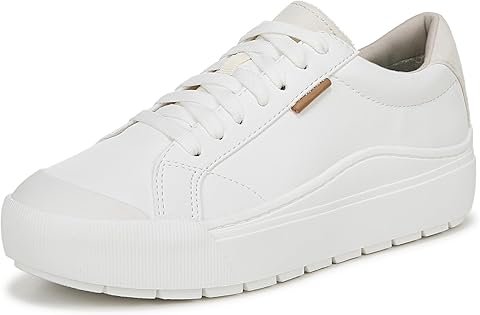
This is the value pick that still looks pulled together. The brand highlights an anti-odor insole technology with anatomical cushioning and arch support, plus a plant-based foam component (BLOOM®). Retail listings also call out a platform midsole that gives a little lift while staying walkable.
Why it stands out:
It’s one of the clearest “comfort + style + price” overlaps—great if you want something that doesn’t scream performance running shoe.
Key features:
- Insole tech marketed for cushioning + arch support, with BLOOM® foam component
- Platform midsole (retailer-listed ~1.5″)
- Easy-clean / travel-friendly design cues appear in multiple retailer descriptions
Source notes: Product feature claims and platform height are drawn from Dr. Scholl’s product page and a major shoe retailer listing.
Pros:
- Strong value in the $70–$110 range for a travel-capable sneaker
- More “elevated casual” than many walking shoes (works with jeans, midi skirts, casual dresses)
- Sustainability note: BLOOM describes its foam as algae-based and positioned as a lower-impact alternative material
Cons:
- Not a technical walking/running shoe—expect less performance tuning than premium trainers
- Fit and support needs vary widely; some shoppers still prefer a brand with width options
Things to consider:
If you have significant foot pain (plantar fasciitis, chronic heel pain), consider pairing this style with an orthotic, or start from a more support-driven category guide.
Recommended for: budget shoppers; trend-focused shoppers; students
Not ideal for: travelers who need maximum stability or custom-fit width options
5. ECCO Soft 7 Leather Sneaker
Best for: travelers who want a leather sneaker that blends into “European casual” outfits
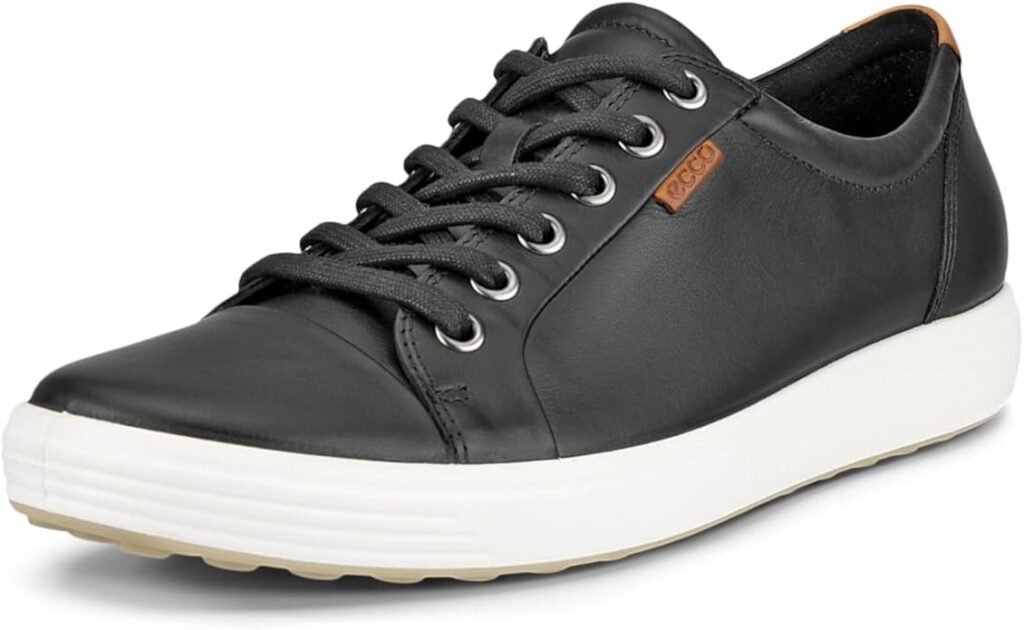
If you hate the look of performance sneakers but still need walkability, this is the elevated leather option. ECCO highlights features like a leather-covered removable inlay sole (option for extra width), textile lining, and an anatomical fit system.
Why it stands out:
It’s one of the easier shoes to style for Europe photos—minimal, clean, and less “gym.”
Key features:
- Full-grain/nubuck leather upper (style-dependent)
- Removable inlay sole (can create extra room)
- Comfort-system and anatomical fit positioning in brand copy
Source notes: Specs and fit notes are from ECCO’s official product description.
Pros:
- Leather sneaker silhouette works with trousers, jeans, sweater sets, and travel dresses
- Removable inlay sole helps with fit flexibility (and some insoles/orthotics)
- Often recommended in travel contexts as a “dressier than a running shoe” option
Cons:
- Less “bounce” than some modern foam running/walking shoes
- Like many leather sneakers, it may not be the coolest option in hot summer weather
Things to consider:
Leather sneakers can be fantastic for travel, but they do best when they’re already broken in or worn around the house before the trip. Many travel guides emphasize not debuting new shoes on a walking-heavy itinerary.
Recommended for: professionals; minimalist dressers; style-first travelers who still walk a lot
Not ideal for: travelers who want max cushion or a highly breathable upper
6. New Balance 1080v15
Best for: wide feet (including swelling/bunions) and travelers who want plush cushioning in a shoe with width choices
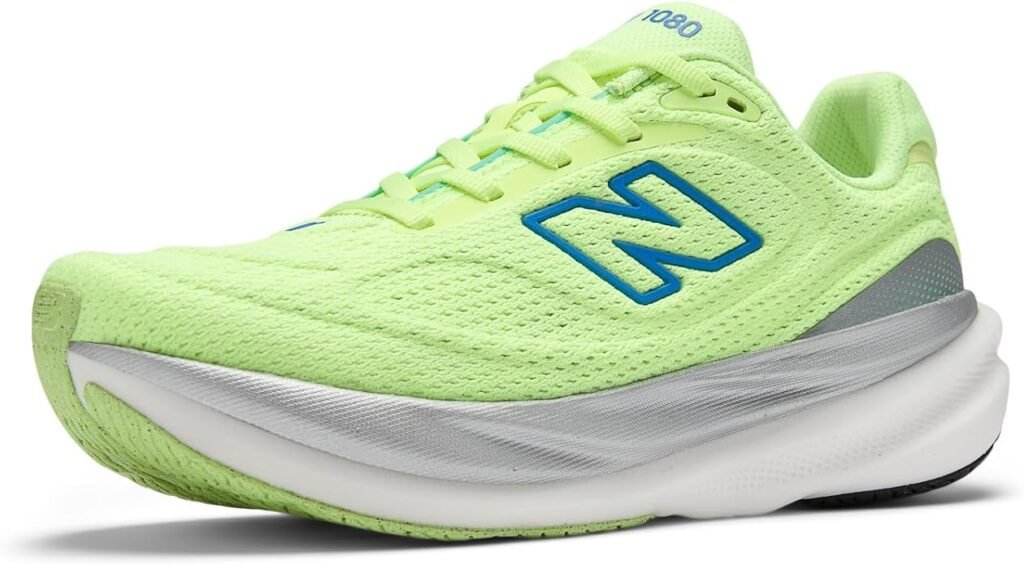
This is the “cushioned + fit options” pick. The brand lists wide and x‑wide options and includes a weight listing and 6 mm drop in the official spec sheet. Major testing roundups also highlight the value of roomy toe boxes and wide sizing for comfort.
Why it stands out:
Width options matter more than most travelers realize—especially after long flights, heat, and day-after-day walking.
Key features:
- Wide and x‑wide sizing availability (women’s)
- Listed weight and heel/toe drop on the brand page
- Marketed as extra-soft cushioning for longer miles
Source notes: Core specs come from the official New Balance listing.
Pros:
- Width options make it easier to avoid toe crowding (a common blister trigger)
- Plush cushion for long city days
- Works well for comfort-first travelers who still want a modern sneaker silhouette
Cons:
- Premium running-shoe styling (not a leather sneaker look)
- Thick cushioning can feel bulky to some wearers
Things to consider:
If you prefer a firmer, lower-to-the-ground feel for stability, you may like a less stacked shoe. Testing-focused guides often point out that “more cushion” isn’t automatically better for everyone.
Recommended for: wide feet; plus-size women who want more underfoot comfort; comfort-first shoppers
Not ideal for: minimalist packers who want a sleek, low-volume shoe
7. On Cloudtilt
Best for: travelers who want a sleek, modern sneaker built with walking in mind (and who like a lighter feel)
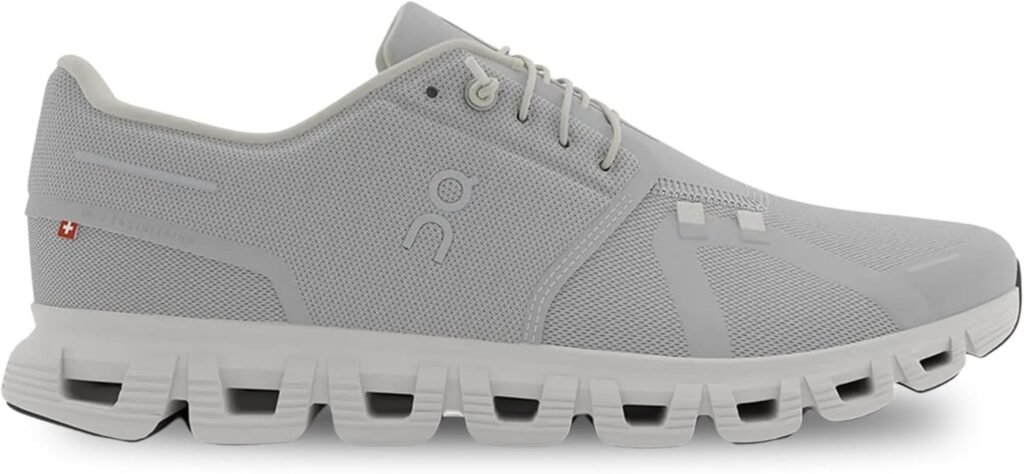
This is the “minimalist-looking but still cushioned” pick. The brand lists a low heel-to-toe drop and lightweight build, and positions the shoe around walking-focused cushioning technology. Lab-review style commentary also emphasizes stability and long-wear cushioning—but flags breathability as a potential downside.
Why it stands out:
It hits the sweet spot for travelers who want a contemporary sneaker that doesn’t read “running shoe first.”
Key features:
- Listed weight and heel-to-toe drop on the brand page
- Speed-lace / sock-construction convenience features
- Sustainability note: dope-dyed materials noted by brand (reduced water usage claim)
Source notes: Key specs and feature claims come from the official product page.
Pros:
- Lightweight feel (helps when you’re packing light)
- Sleek look that pairs easily with travel outfits
- Convenient on/off design cues for airport days
Cons:
- Some lab-style reviews flag airflow/breathability concerns—watch this for summer travel
- Fit can feel more narrow/structured than wide-foot travelers prefer (depends on foot shape)
Things to consider:
If you’re traveling in peak summer, prioritize ventilation and socks that manage moisture; if rain is likely, you may want a dedicated waterproof pick instead.
Recommended for: minimalist dressers; trend-focused shoppers; travelers who want a sleek sneaker
Not ideal for: hot-climate travelers who run warm in less-breathable uppers
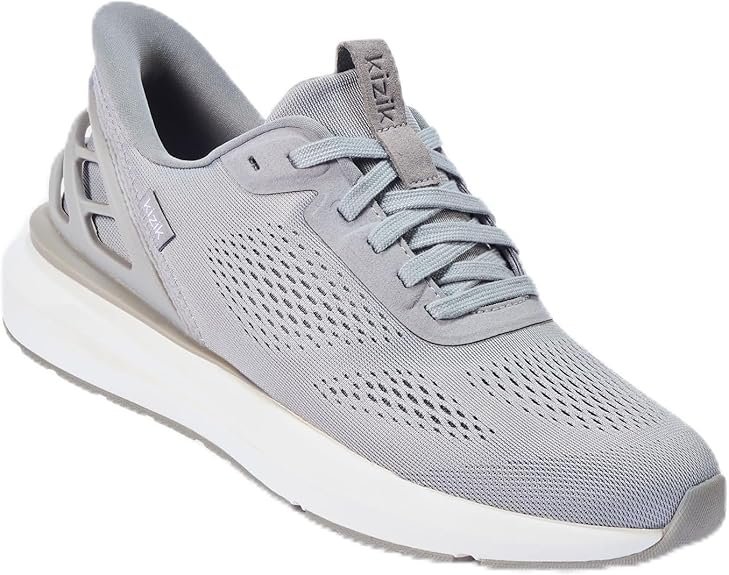
8. Kizik Athens 2
Best for: travelers who want hands-free slip-on convenience (airports, hotels, quick outings)
Hands-free shoes are genuinely useful for travel (especially if you’re juggling a carry-on, coffee, and a hotel key). Kizik markets this model around hands-free tech and all-day comfort; several retailer/editor resources also note removable footbeds and moderate arch support with room for orthotics.
Why it stands out:
It solves a practical travel problem—easy on/off—without defaulting to a flimsy slip-on.
Key features:
- Hands-free Cage® technology (brand-stated)
- High-rebound foam midsole positioning
- Some reviewers note removable footbed/orthotic friendliness
Source notes: Hands-free tech comes from Kizik; removable-footbed notes appear in shoe-specialist commentary.
Pros:
- No-bending convenience is real for travel days
- Easy in airports and hotel hallways—quick on/off
- Often sold on Amazon with “Top Brand” indicators and recent order volume signals in listings
Cons:
- Support needs vary by foot; some podiatrist-focused roundups suggest hands-free shoes can be less supportive than dedicated walking trainers
- Not a waterproof shoe unless you choose a waterproof model (different product)
Things to consider:
If you rely on custom orthotics, prioritize models with removable insoles and adequate depth.
Recommended for: busy moms; travelers; older women who want easy on/off
Not ideal for: shoppers who need maximum stability support
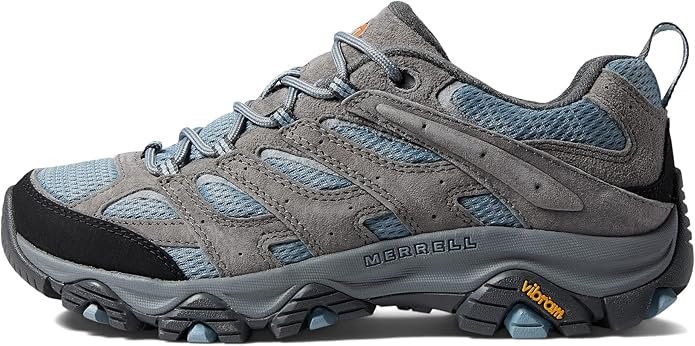
9. Merrell Moab 3 Waterproof
Best for: travelers doing city walking plus day trips where you’ll want extra grip and protection
If your Europe plan includes villages, parks, uneven paths, or light hikes, a hiking-shoe outsole can feel more confident than a smooth lifestyle sneaker. Merrell’s official listing calls out a waterproof membrane, additional support, and a Vibram outsole for traction. REI also highlights updates like more supportive insoles and waterproof membranes that seal out water and let moisture escape.
Why it stands out:
It’s a practical “walk-anywhere” option for travelers who value grip and stability more than city-chic minimalism.
Key features:
- Waterproof membrane (brand-stated)
- Vibram® outsole for traction
- Built-in support features for uneven terrain
Source notes: Core features are from Merrell and REI product pages.
Pros:
- Strong traction for mixed surfaces
- Waterproofing for wet days
- More “secure” feel than many casual sneakers on uneven ground
Cons:
- Outdoorsy look may not suit dressier outfits
- Can feel warm/heavier than minimalist city sneakers
Things to consider:
If your itinerary is purely city + restaurants, you may prefer a leather sneaker and a compact waterproof backup. If you’re doing day trips with uneven terrain, this trades style for confidence.
Recommended for: travelers doing city-to-trail days; comfort-first shoppers who prioritize grip
Not ideal for: professionals needing an office-friendly silhouette
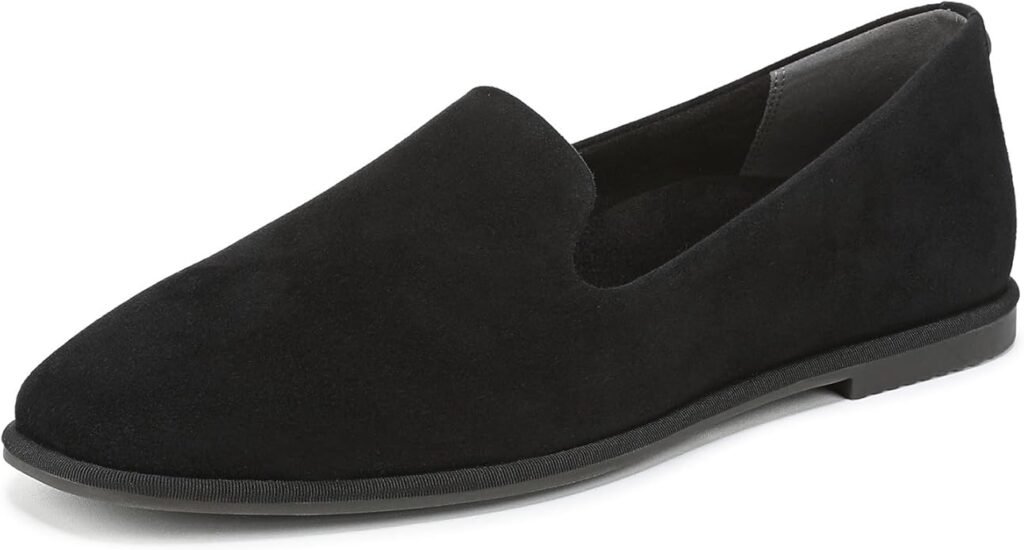
10. Vionic Willa 2.0 Flat
Best for: travelers who want a supportive “not sneakers” backup shoe for dinners, museums, or casual workwear
Not every traveler wants to wear sneakers to dinner. The Vionic Willa 2.0 flat is a dressier option with built-in support cues; retailer listings call out contoured arch support, shock-absorbing cushioning, and an APMA Seal of Acceptance. Some size guidance suggests ordering half a size up if between sizes.
Why it stands out:
It gives you a second-shoe option that can look polished—without dropping to an unsupportive ballet flat.
Key features:
- APMA Seal of Acceptance noted in retailer listing
- Removable cushioned insole with arch support
- Loafer-inspired, streamlined shape that packs well
Source notes: Feature and sizing guidance are based on a major retailer’s product page.
Pros:
- Dressier than sneakers for dinners and city outfits
- Support features (arch support + heel cup) compared with typical flats
- A smart second shoe in a two-shoe travel capsule
Cons:
- Most flats—even supportive ones—can be less forgiving than cushioned sneakers at 20k+ steps
- Not a rain-proof shoe (leather care matters in wet weather)
Things to consider:
Think of this as your “dinner + museum + cute daytime” shoe—not your primary 10-mile walking day shoe. For the heaviest walking days, keep a cushioned sneaker as your core pair.
Recommended for: professionals; minimalist dressers; travelers who want a polished second shoe
Not ideal for: travelers who want one single shoe for every day and every mile
Buying Guide
Choosing the best walking shoes for traveling in Europe (women’s) comes down to matching your body + your surfaces + your season.
Here’s the practical decision framework.
How to choose the right one
- If you’re doing mostly cities and museums: prioritize cushion + stable platform + breathable upper.
- If rain is likely: prioritize true waterproofing (often a membrane) and outsole grip; accept that waterproof models can run warmer.
- If your feet swell or you have bunions: prioritize width options, softer uppers, and roomy toe boxes.
- If you want “not sneakers”: choose a supportive flat/loafer as the second shoe, not your only shoe.
Most important features for Europe city walking
- Stable base + grip: Uneven streets and slippery wet surfaces punish flimsy soles. Look for durable rubber and a stable platform.
- Cushioning that doesn’t collapse: Lots of cushion helps, but overly soft foam can feel unstable to some.
- Breathability (especially summer): Hot feet = blisters. Prioritize airflow in summer and consider rotating pairs.


Fit and sizing guidance (the stuff that saves your trip)
- Expect your feet to swell on flights and long walking days; if you’re between sizes, many retailers recommend sizing logic like “half size up” for certain models.
- If you need orthotics, prioritize shoes with removable insoles (common in several picks above).
- Replace worn-out shoes: multiple expert-facing resources cite replacement ranges around 300–500 miles for athletic shoes, depending on wear and your body.
Material and weather notes
- Waterproof membranes are designed to block rain while allowing perspiration vapor to escape; they’re great for cold/wet cities but can feel warmer in mild weather.
- Leather sneakers can look more “elevated casual,” but they’re not always the coolest choice for hot summer cities.
Mistakes to avoid
- Buying a brand-new pair and wearing it for the first time on a 20k-step day. (Travel roundups repeatedly warn against this.)
- Packing only one pair that isn’t weather-ready (if rain is plausible).
- Ignoring width and toe room. This is one of the fastest routes to toe pain and blisters.
Best for Different Types of Users
Teenage girls: prioritize comfort + easy styling with jeans and casual dresses; look at Dr. Scholl’s Time Off or On Cloudtilt depending on budget.
Adult women: start with HOKA Clifton 10 for the “most likely to work” pick; add a second shoe if your itinerary includes rain or dinners.
Older women: consider max cushioning (Bondi 9) and prioritize supportive fit cues; APMA acceptance can be a helpful filter.
Petite women: if you feel overwhelmed in bulky silhouettes, try a sleeker sneaker (On Cloudtilt) plus a supportive flat as the second shoe.
Plus-size women: prioritize stability and underfoot protection; shoes with width options and robust cushioning can feel more comfortable across long days.
Professionals (casual office + travel): ECCO Soft 7 as the core sneaker; Vionic Willa 2.0 as the dressier back-up.
Travelers (walking-first itineraries): Clifton 10 or 1080v15 + waterproof backup if needed.
Students: Dr. Scholl’s Time Off or Kizik Athens 2 for price-conscious convenience.
Busy moms: hands-free Kizik Athens 2 is a practical win; add a cushioned sneaker if you know you’ll walk all day.
Budget shoppers: Dr. Scholl’s Time Off (best value) and shop sales for flagship models.
Premium buyers: Bondi 9 if you want max cushion; consider waterproof GTX if rain is a certainty.
Comfort-first shoppers: Bondi 9 or 1080v15 based on fit and desired feel.
Trend-focused shoppers: On Cloudtilt (sleeker look) or Time Off (platform casual).
Minimalist dressers: ECCO Soft 7 + Vionic Willa 2.0 “two-shoe capsule.”
Who Should Avoid This Product Category
Avoid relying on “travel walking shoes” alone if:
- You’re doing serious hiking or wet mountain terrain daily—you’ll likely need a true hiking boot with higher protection and specialized outsole.
- You have severe foot pain or a medical condition that requires clinician-directed footwear—use a podiatrist/medical professional’s guidance first.
- Your trip dress code requires formal shoes most days; you may need purpose-specific footwear beyond this category.
FAQ Section
What are the best women’s walking shoes for traveling in Europe if I want one pair only?
If you truly want one pair, choose a comfort-forward sneaker with a breathable upper and stable cushion (like Clifton 10) and aim for a neutral color that works with most outfits. Editorial travel roundups consistently emphasize “comfortable enough for all day” as the primary requirement.
What are the best waterproof women’s walking shoes for travel in Europe?
Look for true waterproof models with membranes (often labeled waterproof or GORE‑TEX). A model like Ghost 17 GTX explicitly uses a waterproof GORE‑TEX layer and is positioned for wet conditions.
Are leather sneakers good for walking in Europe?
They can be, especially if you prioritize style versatility. The key is support and fit (some leather sneakers include removable insoles and comfort systems). Expect less breathability than airy mesh in hot weather.
What are the best women’s stylish walking shoes for travel in Europe (not super sporty)?
Look for elevated casual silhouettes: a leather sneaker (ECCO Soft 7) or a polished comfort sneaker (Time Off). Travel-style roundups often highlight the “supportive but polished” sweet spot.
What are the best women’s walking shoes for travel in Europe for fall?
Prioritize wet-weather coverage and outsole grip. Waterproof shoes can be a strong choice if rain is likely—just know they may run warmer.
What are the best women’s walking shoes for travel in Europe for winter?
Look for waterproofing, room for thicker socks, and traction. A waterproof trainer or a weather-ready hiking shoe works well depending on your itinerary.
How many pairs of shoes should I bring to Europe?
Many travel guides recommend two pairs for most trips: a broken-in, comfortable sneaker plus a second supportive option depending on season (loafers/sandals/ankle boots).
How often should I replace walking shoes before a big trip?
A common expert range is replacing athletic shoes around 300–500 miles depending on wear and how they feel—don’t start a walking-heavy trip in shoes that have lost cushioning.
Final Verdict
Best overall: HOKA Clifton 10 (most travelers; strong “all day” comfort profile).
Best value: Dr. Scholl’s Time Off (style + comfort in a friendlier price band).
Best premium: HOKA Bondi 9 (max cushion; best if you prioritize soft landings).
Best for rain: Brooks Ghost 17 GTX (waterproof GORE‑TEX).
Best by buyer type:
- Wide feet: New Balance 1080v15 wide/x‑wide
- Minimalist style: On Cloudtilt
- Not sneakers: Vionic Willa 2.0 Flat (as the second shoe)