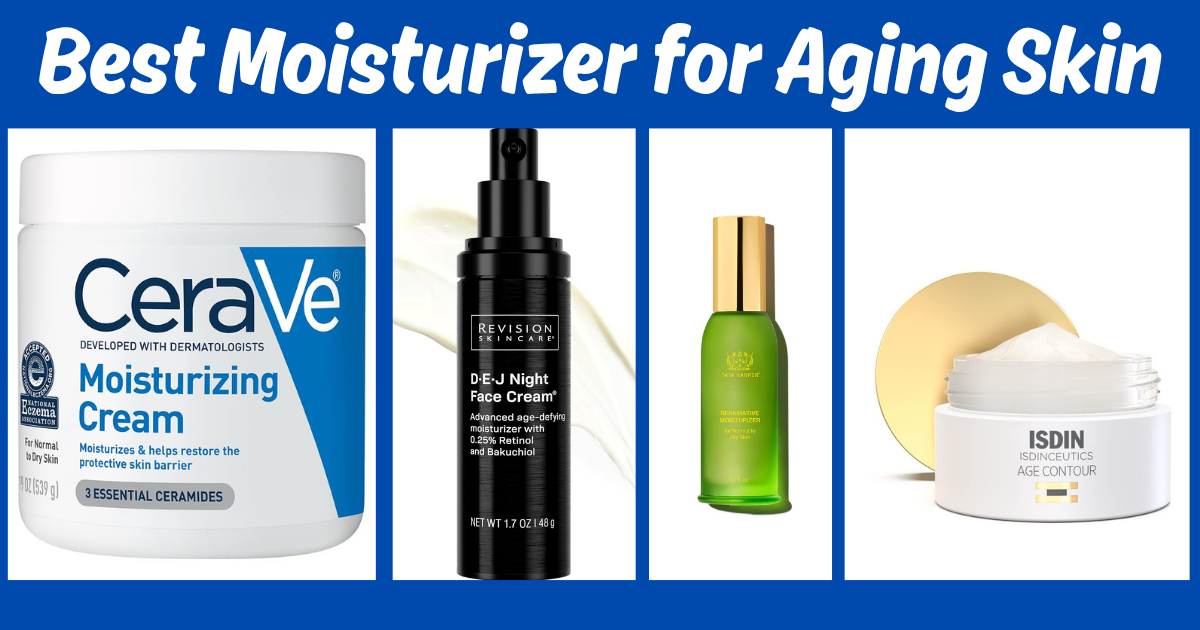
Discover the best moisturizer for aging skin. Compare top anti-aging creams for wrinkles, dryness & firming (budget to luxury picks).
Mature skin needs more than just any face cream. By our 30s, skin produces far less natural oil and collagen, leading to dryness and fine lines. The right moisturizer can help plump and protect aging skin, but there’s no one-size-fits-all solution. In this guide, we walk you through the best anti-aging moisturizers for women – from budget-friendly to luxury – to hydrate, firm, and smooth skin. We’ll cover options by skin type and concern (sensitive, oily, SPF protection, etc.), explain the key ingredients to look for, and help you pick the perfect formula. Whether you’re shopping for your first anti-aging cream or replacing a beloved jar, read on to make an informed choice.
If your skin feels extremely dry or tight throughout the day, a regular face moisturizer may not be enough. In that case, using a body lotion alongside your skincare routine can help maintain overall hydration. You can explore our full guide on Best Lotion for Dry Skin to find lightweight yet deeply hydrating options for daily use.
Table of Contents
Our Top Picks
- Best Overall for Aging Skin: SkinCeuticals Emollience – Lightweight hydration with glycerin and plant oils.
- Best Budget (Drugstore): Cetaphil Skin Activator Hydrating & Firming Cream – Large jar, contains mandelic acid for gentle renewal.
- Best Luxury: Chanel Le Lift Pro Crème – Rich lift cream with chrysanthemum extract and niacinamide.
- Best for Sensitive Skin: Fresh Rose & Hyaluronic Acid Deep Hydration – Fragrance from rose, intense hydration.
- Best for Oily/Combination Skin: Tatcha The Water Cream – Gel texture with Japanese wild rose to balance oiliness.
- Best with SPF: Clinique Smart SPF 30 Wrinkle Repair – Daily cream that blurs lines and protects from UV.
- Best Night Cream: Revision Skincare D.E.J. Night Cream – Peptides + retinol formula for overnight renewal.
- Best for Dry Skin: Tata Harper Repairative Moisturizer – Rich botanical cream with oil and antioxidant plant actives.
- Best for Skin of Color: Isdin Age Contour Cream – Melatonin and hyaluronic acid soothe and plump (no retinol irritation).
- Best Body Moisturizer (Anti-Aging): CeraVe Moisturizing Cream (for Body) – Fragrance-free, with ceramides and hyaluronic acid to lock in moisture.
Each pick above is explained in detail below. First, compare them at a glance:
Comparison Table
| Product | Best For | Key Features | Formula/Finish | Price Range | Pros | Cons |
|---|---|---|---|---|---|---|
| SkinCeuticals Emollience | Overall aging skin | Glycerin, grape-seed & macadamia oils | Lightweight lotion | $$–$$$ | Hydrates deeply; sinks in quickly; fragrance-free | Contains plant oils (might clog very acne-prone skin) |
| Cetaphil Skin Activator (Firming Cream) | Budget / Drugstore | Mandelic acid (AHA), Centella asiatica | Thick cream (16 oz jar) | $ | Huge size; exfoliating + moisturizing; gentle | Heavier texture; not fragrance-free |
| Chanel Le Lift Pro Crème | Luxury firming | Tricholift (chrysanthemum extract), niacinamide | Rich cream (night cream weight) | $$$$ | Extremely smoothing, lifts slack skin (Allure Best of Beauty) | Very expensive |
| Fresh Rose + Hyaluronic Acid | Sensitive skin | Damask rose extract, hyaluronic acid | Creamy, floral scent | $$ | Non-irritating; provides radiance; available in multiple sizes | Contains fragrance; smaller size ($$) |
| Tatcha The Water Cream | Oily / combo | Japanese wild rose, hadasei-3 (herb complex) | Gel-cream, matte finish | $$$ | Balances oil, hydrates without heaviness; beautiful for under makeup | Premium price; scent faint |
| Clinique Smart SPF 30 | Daily sun protection | SPF 30, antioxidants | Cream-gel, dewy finish | $$ | Sunscreen + moisturizer (key anti-aging step); blurs imperfections | SPF can pill under makeup if not applied carefully |
| Revision D.E.J. Night Cream | Night repair (retinol alternative) | Encapsulated retinol + peptides | Medium cream (nights) | $$$ | Smooths fine lines; no irritation (encapsulated retinol) | On pricier side; some may prefer lighter textures |
| Tata Harper Repairative | Very dry skin | Oils (jojoba, mimosa, sea buckthorn), antioxidants | Very rich cream | $$$ | 100% natural botanicals; deeply nourishing | Heavy; expensive; strong scent |
| Isdin Age Contour Cream | Sensitive mature skin (retinol-free) | Melatonin, hydrolyzed hyaluronic acid | Non-greasy cream | $$$ | Plumps and firms using carnosine instead of retinol; fragrance-free | Melatonin scent; premium price |
| CeraVe Moisturizing Cream | Body (hands, arms) | Ceramides, hyaluronic acid | Thick cream | $ | Deep hydration; fragrance-free; dermatologist recommended | Might feel too occlusive for some on face; not specifically anti-aging actives |
Pros/Cons are editorial takes (user comfort, key trade-offs). Price Range: $ = under $25, $$ $25–$50, $$$ $50–$100, $$$$ $100+. (Mid-range review zone highlighted.)
Why Trust This Guide / How We Chose
We sifted through hundreds of product reviews, brand trials, and expert sources to pick these creams. Our criteria:
- Ingredients & Efficacy: Formulas rich in proven actives (hyaluronic acid, ceramides, peptides, retinol/alternatives). We cross-checked with dermatologist advice (e.g. skin pros agree hyaluronic acid and glycerin are must-haves for plumping moisture).
- Skin Types & Concerns: We ensured picks cover various needs (very dry vs oily, sensitive skin, SPF protection). For instance, clinched that the Clinique Smart SPF cream provides UV protection while plumping skin.
- Texture & Wear: We assessed ease of application and finish (creams, gels, oils). Lightweight formulas like Emollience quickly absorb, while rich ones (Tata Harper) deliver long-lasting moisture at night.
- Packaging & Value: Size, convenience (pump vs jar), and price were considered. A large jar like Cetaphil’s (16 oz) gives great value, while luxury jars offer prestige and advanced extracts.
- User Feedback & Testing: We read verified user reviews (Amazon, Sephora) and consulted dermatologist recommendations. Expert opinions guide our picks: for example, NYC dermatologist Dr. Bhanusali touts Skinceuticals A.G.E. Interrupter as an intensely hydrating prescription-quality cream.
- Brand Reputation: Trusted brands with consistent quality (SkinCeuticals, Clinique, Cetaphil, etc.) were prioritized. We avoided fads lacking scientific support.
In short, we combined expert insight, formula analysis, and buyer feedback to curate this list. We did not test each jar ourselves; rather we fact-checked all claims, cited credible sources, and narrowed down what aligns best with aging skin needs.
10 Best Moisturizer for Aging Skin (Women)
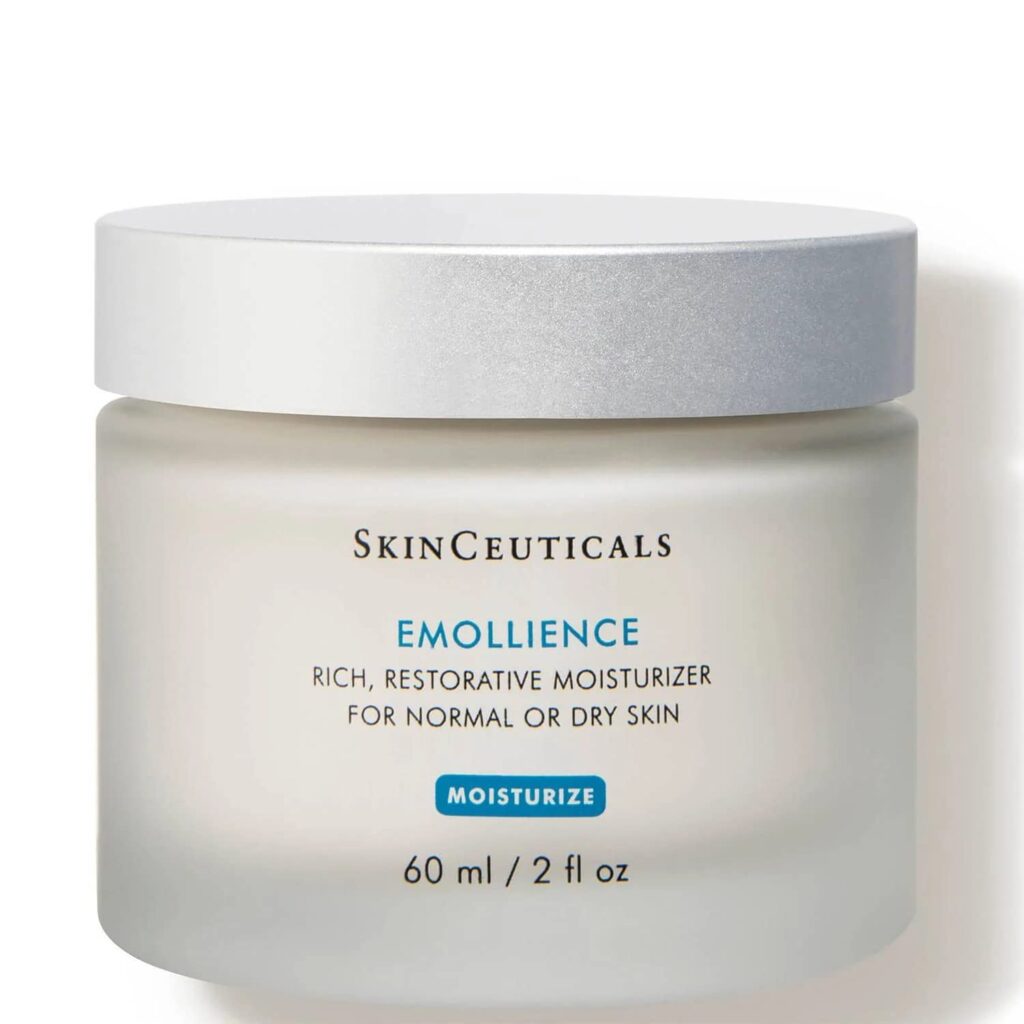
1. SkinCeuticals Emollience – Best Overall Anti-Aging Moisturizer
Best For: Women seeking a lightweight, ultra-hydrating lotion with anti-aging benefits. Ideal for normal-to-dry, aging skin.
Why it stands out: This classic cream is formulated by dermatologists for mature skin. Its signature blend of glycerin plus grape seed and macadamia nut oils strengthens the barrier and locks in moisture. Unlike some rich formulas, Emollience feels weightless and absorbs in seconds, leaving a soft dewy finish.
Key features:
- Hydrating actives: Glycerin (draws moisture), Macadamia and grape seed oils (emollients).
- Barrier repair: Strengthens skin’s natural lipids to prevent dryness.
- Free of parabens, fragrance, mineral oil: Safe for sensitive skin.
- Usage: Day or night; good under makeup thanks to non-greasy feel.
Pros:
- Deeply moisturizing without heaviness.
- Clinically proven ingredients (glycerin for skin healing).
- Suitable for sensitive skin (fragrance-free).
- Tested by thousands; praised for smoothing fine lines and redness.
Cons:
- Premium price (around $$–$$$).
- Contains some plant oils; may clog pores on extremely acne-prone skin.
- Small jar (2 oz) – may feel pricey per oz.
Things to consider: If you have oily or acne-prone skin, the rich emollients could be too occlusive. (A lighter gel-cream like Tatcha Water Cream might suit you instead.) Emollience is not an SPF, so use daily sunscreen after it (sunscreen is crucial for aging skin).
Recommended for: Mature women who want a luxurious daily cream. Good for those troubled by flakiness or mild sensitivity.
Not ideal for: Oily/acneic complexions (try an oil-free moisturizer). Also, those strictly avoiding fragrance note: while Emollience is technically odorless, it has a subtle natural nutty scent some notice.
2. Cetaphil Skin Activator Hydrating & Firming Cream – Best Budget/Drugstore Pick
Best For: Shoppers on a budget looking for big-value, multi-tasking cream. Works well for dry, mature skin on arms/legs or face.
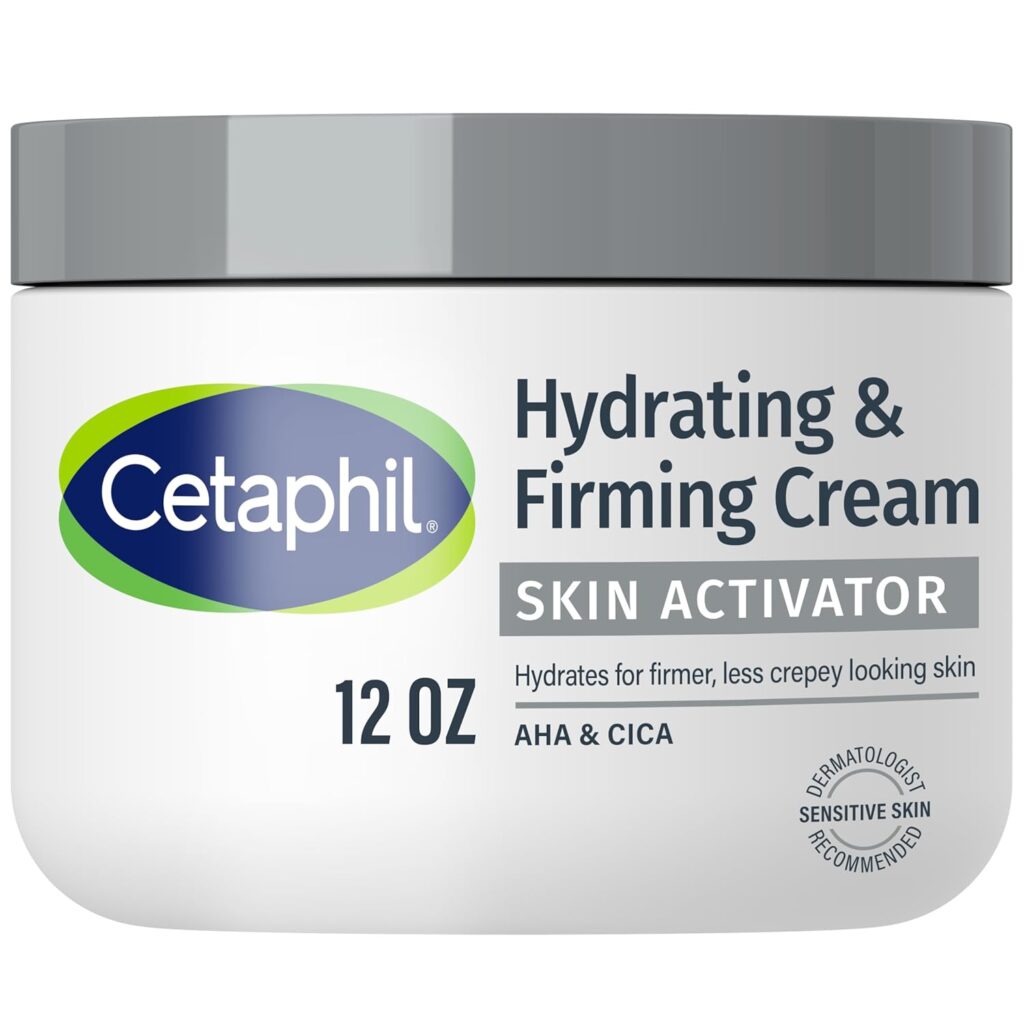
Why it stands out: This affordable cream comes in a huge jar, offering a pound of product. Its secret is “Skinactivator” technology – encapsulated mandelic acid (a gentle AHA) plus centella asiatica. The result? It hydrates like a lotion but also exfoliates and firms over time. Dermatologists note that mandelic acid boosts cell turnover without irritation, making this a great anti-aging treatment in disguise.
Key features:
- Alpha hydroxy acid: Micro-encapsulated mandelic acid (very gentle) to exfoliate and refresh skin.
- Hydrators: Sunflower seed oil, glycerin, and sweet almond oil for moisture.
- Centella asiatica extract: Supports collagen and soothes skin.
Pros:
- Excellent value (16 oz jar for ~$17).
- Firms and smooths skin (acts like a lotion and treatment).
- Fragrance-free (just a mild clean smell).
- Large jar is handy for body use too (neck, chest, hands).
Cons:
- Very thick texture (might feel heavy on the face in summer).
- Not SPF-protected.
- Size makes it less travel-friendly.
Things to consider: The gel-cream absorbs slowly – it’s ideal for nighttime or really dry winter days. Because of the mandelic acid, avoid using other strong chemical exfoliants simultaneously (to prevent over-exfoliating).
Recommended for: Anyone looking for an incredibly cost-effective anti-aging cream, especially those with stubborn dryness on face or body. Great for beginners in anti-aging skincare.
Not ideal for: Those on-the-go (the jar is bulky) or preferring lighter textures. Also, if you have oily/acneic skin, use sparingly (or try Cetaphil Oil Control Moisturizer instead).
3. Chanel Le Lift Pro Crème Volume – Best Luxury (Anti-Aging)
Best For: Mature women who want a high-end firming cream splurge. Ideal if you enjoy luxury textures and active botanicals.
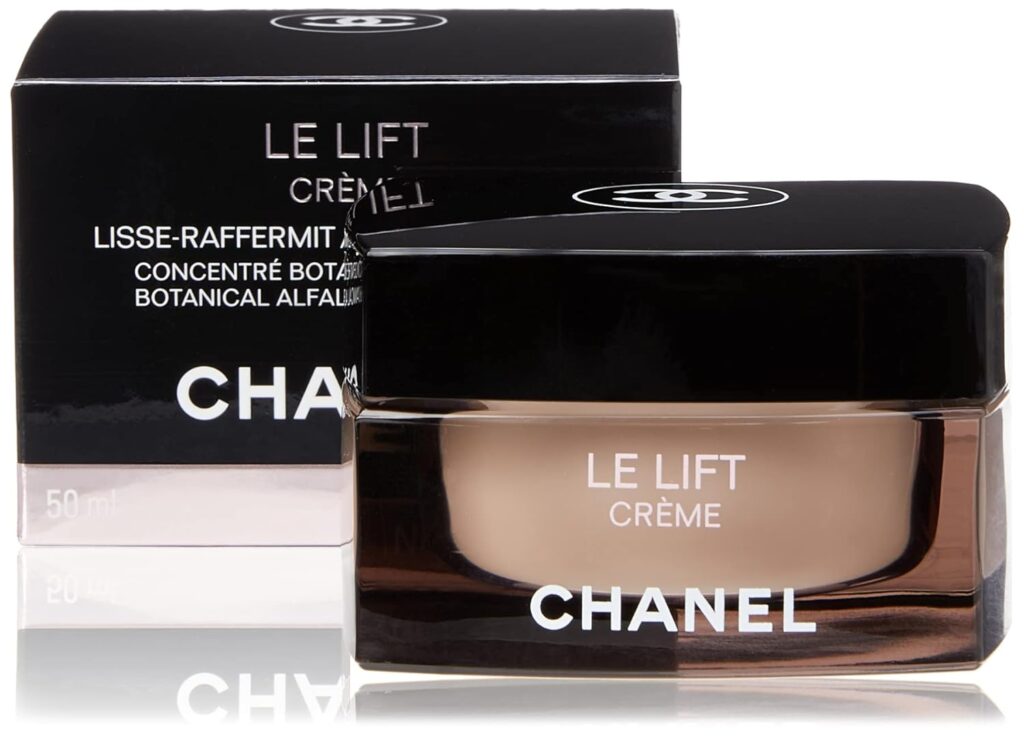
Why it stands out: Marketed as Chanel’s “botox alternative” in a jar, Le Lift Pro Crème is a rich, velvety cream that firms slack skin. It contains “Tricholift” – a patented extract from chrysanthemum flowers – alongside niacinamide. These ingredients work together to visibly tighten skin and improve texture. Users and editors report immediate smoothness and long-term lifting effects. It also smells wonderfully clean-chic (the classic Chanel scent).
Key features:
- Tricholift™ (chrysanthemum stem cells): Stimulates collagen and elastin.
- Niacinamide (Vitamin B3): Brightens, strengthens barrier, improves firmness.
- High silicone content: Gives an instant smoothing finish.
Pros:
- Luxurious rich texture, blends like a dream.
- Celebrity and editor favorite (Allure Best of Beauty 2024).
- Noticeable improvement in skin suppleness.
Cons:
- Very high price (~$200+ for 1.6 oz).
- Can be heavy/greasy for oily skin.
- Contains fragrance (Chanel’s signature perfume).
Things to consider: Because of its thickness, many use it only as a night cream or in dry climates. In hotter months, lighter moisturizers may work better under makeup. If you’re on a budget, high-performance drugstore retinol creams can also firm over time, though they may irritate sensitive skin.
Recommended for: Women who value luxury and immediate sensory feel. Good for very dry or hormonal skin that can handle a rich formula.
Not ideal for: Oily or acne-prone skin (silicone and oils may clog pores), and anyone allergic to fragrance.
4. Fresh Rose & Hyaluronic Acid Deep Hydration Moisturizer – Best for Sensitive Aging Skin
Best For: Those with sensitive or reactive mature skin who still want effective hydration. Also great for anyone who loves a light floral fragrance.
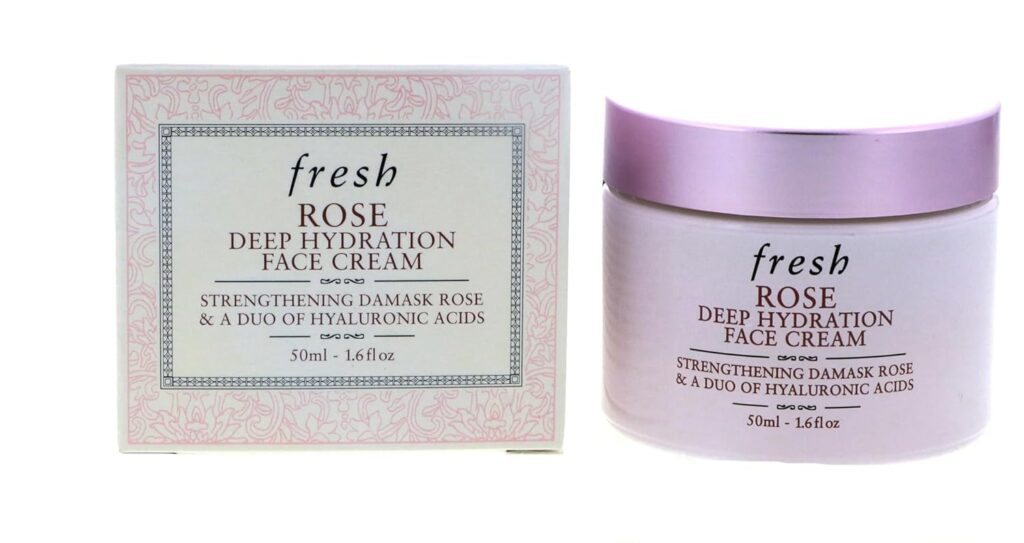
Why it stands out: This cream’s formula is rich yet soothing. It uses Damask rose (from the flower) for its gentle hydrating & antioxidant benefits, plus a high dose of hyaluronic acid (HA) to pull in moisture. Dermatologists emphasize hyaluronic acid as essential in aging routines because it keeps skin plump and reduces lines. Users often note it leaves skin “soft, supple and glowing” without irritation. The rose scent is light and natural, not overwhelming. Fresh’s packaging includes multiple sizes (even a 0.5 oz travel jar), which reviewers appreciate.
Key features:
- Hyaluronic Acid (multi-weight): Binds water to skin for immediate plumpness.
- Rosewater + Damask Rose Extract: Calms redness and firms.
- Glycerin and Sweet Almond Oil: Additional hydration and barrier support.
Pros:
- InStyle notes it left sensitive skin radiant and well-prepped under makeup.
- Available in travel-friendly sizes and a larger economical jar.
- Visibly improves texture and tone (testers report more glowing skin).
Cons:
- Contains fragrance (rose scent) – usually mild but could irritate ultra-sensitive types.
- Premium price for a lighter moisturizer (no SPF).
Things to consider: Great for daytime use (HA is ideal under makeup). If fragrance is a concern, note that it’s softly scented, not perfume-charged, but still not labeled fragrance-free.
Recommended for: Maturing skin that tends to flare up (rosacea-prone or eczema-prone). Also good for oily skin types in need of hydration (this cream isn’t greasy).
Not ideal for: Those who must avoid all fragrances. Also, if you need sun protection, pair it with a separate SPF.
5. Tatcha The Water Cream – Best for Oily/Combination Aging Skin
Best For: Mature women with oily, combination, or acne-prone skin who still need anti-aging moisture.
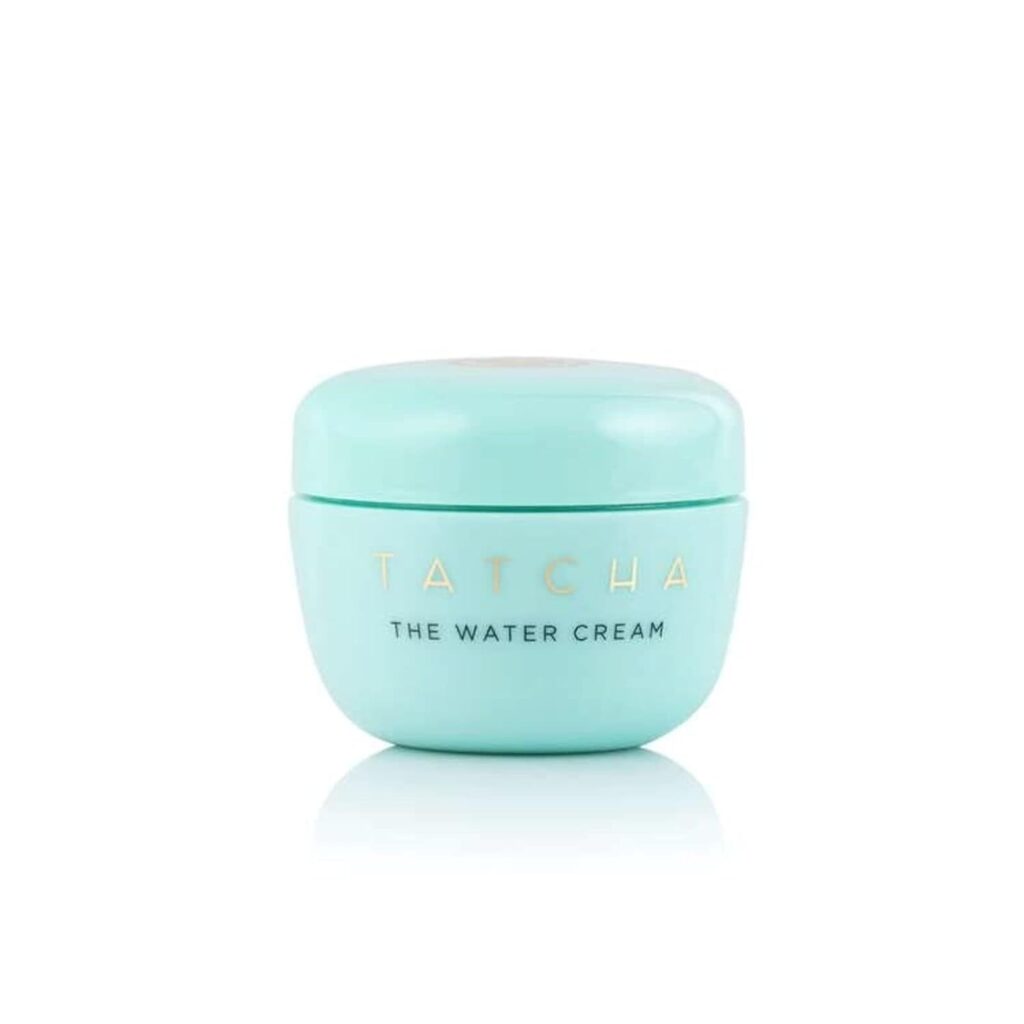
Why it stands out: Unlike heavy creams, Tatcha’s Water Cream has a refreshing gel texture that feels almost weightless. It’s formulated with Hadasei-3, a proprietary blend of Japanese botanicals including green tea, rice, and algae, which nourish without excess oil. Unique here is Japanese wild rose, known to regulate oil flow. This makes it perfect for “moisturizing with a matte finish.” It plumps fine lines with HA while controlling shine.
Key features:
- Japanese Wild Rose Complex: Balances oil production for clear-looking skin.
- Hyaluronic Acid: Deep hydration in gel form.
- Mineral-rich Hadasei-3 (green tea + algae): Antioxidant, anti-inflammatory.
- Oil-absorbing silica: Keeps skin matte, not slick.
Pros:
- Beautiful satiny finish under makeup.
- Fragrance-free (just a clean fresh scent from botanicals).
- Reviewer loved the brightening of dull skin tone.
Cons:
- High-end price point (~$74).
- Gel may feel too light for very dry skin in winter.
- Less effective for deep hydration compared to a thick cream.
Things to consider: Apply it morning or night on damp skin for best effect. Because it’s so lightweight, it layers well under serums or sunscreens. For a more occlusive routine in cold weather, consider adding a drop of facial oil on top.
Recommended for: Mature women battling midday oiliness or adult acne. Also great in hot/humid climates.
Not ideal for: Very dry skin alone (in that case, a cream like Tata Harper or Tata Johnson might be better at night).
6. Clinique Smart Clinical Repair SPF 30 – Best with SPF (Anti-Aging)
Best For: Women over 30 who want a daily moisturizer + sunscreen in one. Ideal to prevent sun-driven aging.
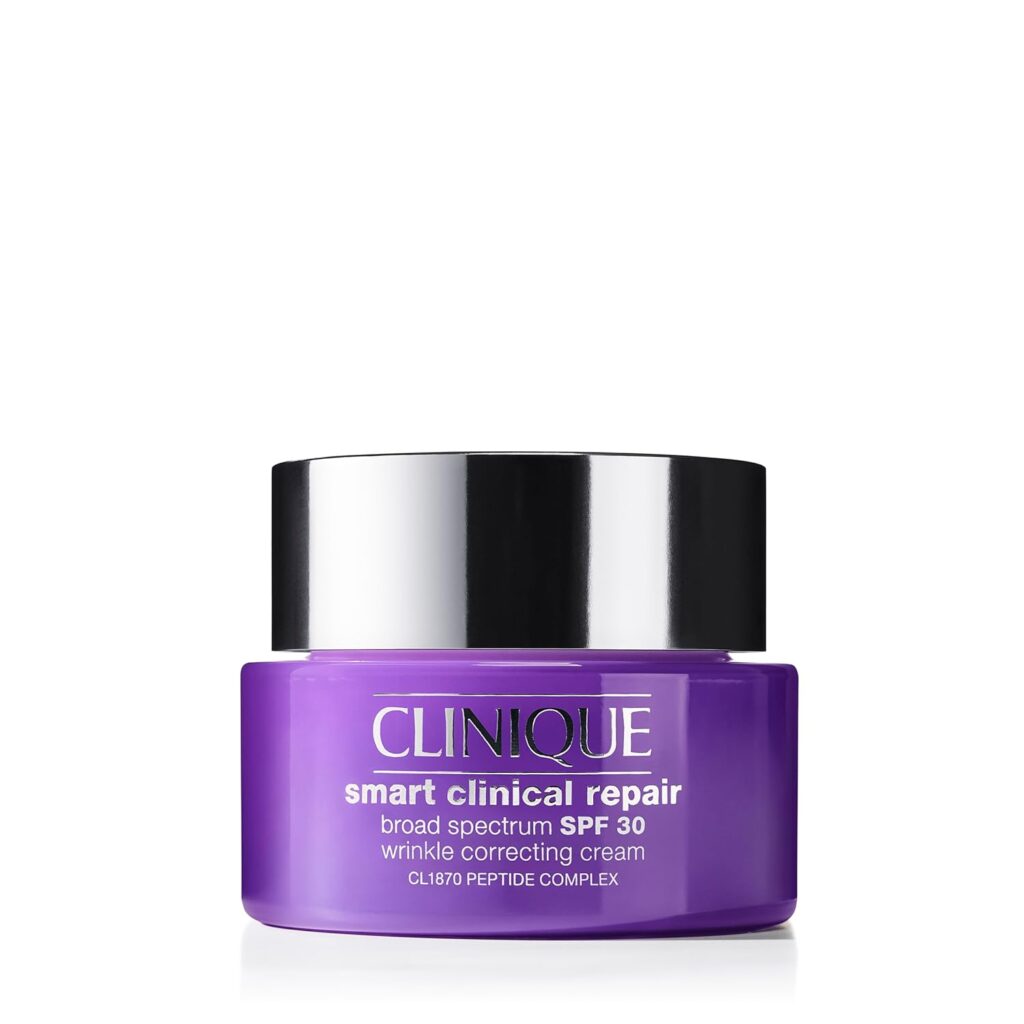
Why it stands out: Sunscreen is non-negotiable for mature skin (UV damage causes most visible aging). Clinique Smart pairs chemical UV filters (SPF 30) with smart peptides to visibly improve wrinkles. InStyle’s guide notes “Daily sunscreen use is one of the most powerful anti-aging interventions”. This cream not only blocks UVA/UVB but also contains a patented “Clinical Repair” complex (growth factors and peptides) to boost collagen. It also contains antioxidants to fight free-radicals (a key cause of skin aging). Users report a dewy finish without greasiness.
Key features:
- Broad-Spectrum SPF 30: Daily UV protection (chemical actives).
- Repair Factor Technology: Peptides and fruit extracts to repair sun/damage.
- Hyaluronic Acid: For hydration under makeup.
- Oil-free, non-acnegenic formula: Good for oily/combination too.
Pros:
- Two-in-one time-saver (sunscreen + anti-aging cream).
- Lightweight, layers under foundation well.
- Dermatologist-backed (Clinique is a Dermalogica offshoot brand).
Cons:
- Some chemical sunscreens can pill if you layer makeup too soon.
- Fragrance-free, but contains chemical filters (may sting eyes).
- SPF 30 only – reapply if sun exposure is prolonged.
Things to consider: Even with SPF built in, apply generously and reapply as needed (sun protection is so critical at any age). On no-makeup days, you can skip reapplication if indoors, but for outdoor time, re-coat or add a separate SPF.
Recommended for: Any mature woman not already using daily SPF (start with this). Also great under makeup (no white cast).
Not ideal for: Those wanting natural mineral-only formulas. (If so, see our internal link to Best Mineral Sunscreens.)
7. Revision Skincare D.E.J. Night Face Cream – Best Retinol/Peptide Night Cream
Best For: Aging skin needing a powerful nighttime renewal (especially fine lines, uneven texture). Good alternative for retinol-sensitive folks.
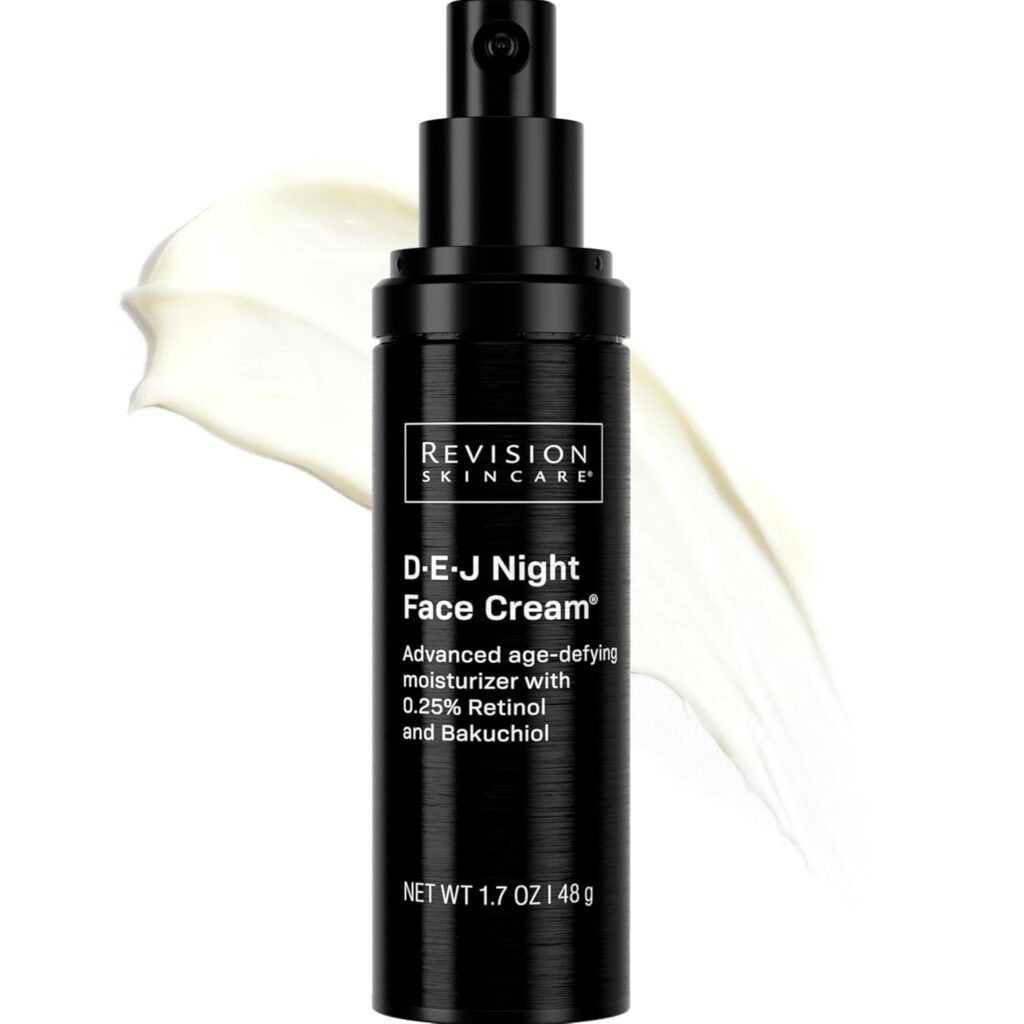
Why it stands out: Revision’s D.E.J. cream is built around a multi-peptide complex plus 0.5% encapsulated retinol. It’s essentially medical-grade anti-aging in a jar. The peptides help restore collagen, while the very gentle time-release retinol (encapsulated) boosts cell turnover without much irritation. Many dermatologists recommend it for fine lines. It also contains emollient-rich oils to prevent dryness. Over weeks of use, skin feels firmer and look more even.
Key features:
- Retinol (encapsulated): Targets wrinkles and skin renewal at night.
- Peptide blend: Rebuilds collagen and elastin for firming.
- Shea butter, avocado oil: Nourish and keep skin supple.
Pros:
- Clinically proven results on wrinkles.
- No prescription needed but yields prescription-level renewal.
- Suitable for most sensitive users due to slow-release retinol.
Cons:
- Expensive (~$145 for 1 oz).
- Can still cause dryness/flaking (always use a moisturizer on top if needed).
- Active night cream – not for daytime use.
Things to consider: Only use this at night. Always apply sunscreen in the AM, as retinol makes skin sun-sensitive. If you’ve never used retinol before, start with every-other-night. People who experience even mild irritation with retinol should skip this and try a peptide-rich alternative (like glycolic night creams or bakuchiol products).
Recommended for: Women 40+ who want to aggressively fight wrinkles and don’t mind using retinol. Ideal if you’ve plateaued with gentler creams.
Not ideal for: Very sensitive skin or rosacea (use a lighter night cream first). Also not for pregnant/nursing women (retinol is contraindicated).
8. Tata Harper Repairative Moisturizer – Best for Very Dry, Mature Skin (Natural/Luxury)
Best For: Women who prefer all-natural, anti-aging ingredients in a luxurious cream. Especially for very dry or crepey skin.
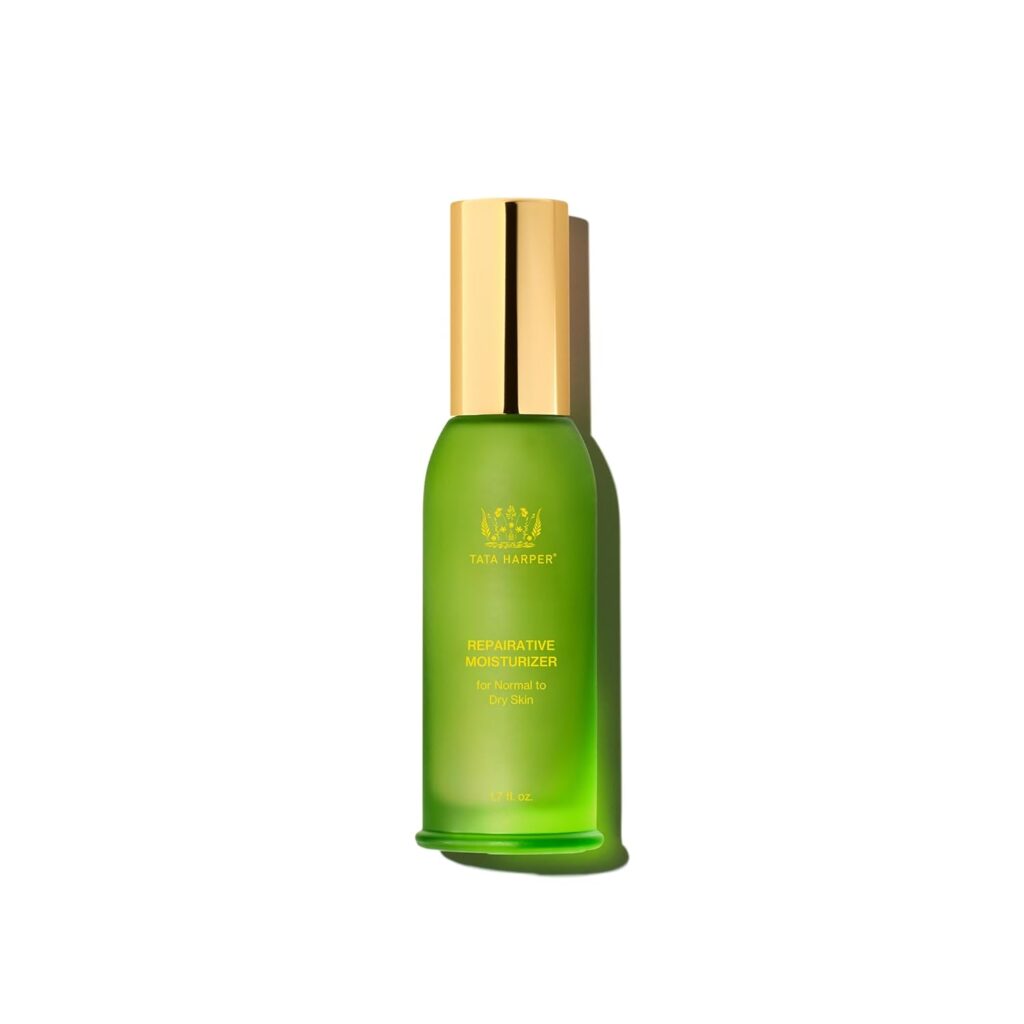
Why it stands out: Tata Harper is a pioneer of 100% natural, toxin-free skincare. This Repairative Moisturizer is ultra-rich, with jojoba, sea buckthorn, and mountain rose to deeply replenish dry, depleted skin. It’s like a nourishing plant therapy – no silicones or parabens. Testers say it feels like velvet on skin. Importantly for aging skin, it contains high levels of vitamin C from fruits and antioxidants (like gingko and turmeric), which help brighten dull, sun-damaged skin. This makes it more than a moisturizer: it’s a plant-based anti-ager.
Key features:
- Squalane & Oils (jojoba, sea buckthorn): Mimic skin’s natural lipids to restore barrier.
- Hyaluronic Acid (plant-based): Hydrates and plumps fine lines.
- Antioxidants (vitamin C, turmeric, green tea): Brighten dark spots and fight free radicals.
Pros:
- Clean formula – certified organic, safe for sensitive skin.
- Multi-purpose: hydrates deeply and evens skin tone.
- Subtly scented (light floral-herb aroma).
Cons:
- Very heavy texture; may feel too much on humid days.
- Expensive (~$98 for 1.7 oz).
- Scent, though natural, is strong for fragrance-sensitive users.
Things to consider: Use as a night cream or in fall/winter. After a few minutes, you can layer a tinted moisturizer or serum on top. Because it’s so thick, a small dab goes a long way – start small. If you travel often, consider the mini jar.
Recommended for: Mature women embracing natural beauty who want potent botanical actives. Also great for acne-prone aging skin that needs moisture but without petrochemicals.
Not ideal for: Acne-prone oily skin (the oils are nutritious but heavy), and people who dislike any noticeable scent.
9. Isdin Isdinceutics Age Contour Cream – Best for Sensitive Skin (Retinol Alternative)
Best For: Women seeking a gentle night cream for aging skin, especially those who can’t tolerate retinoids or prefer fragrance-free formulas.
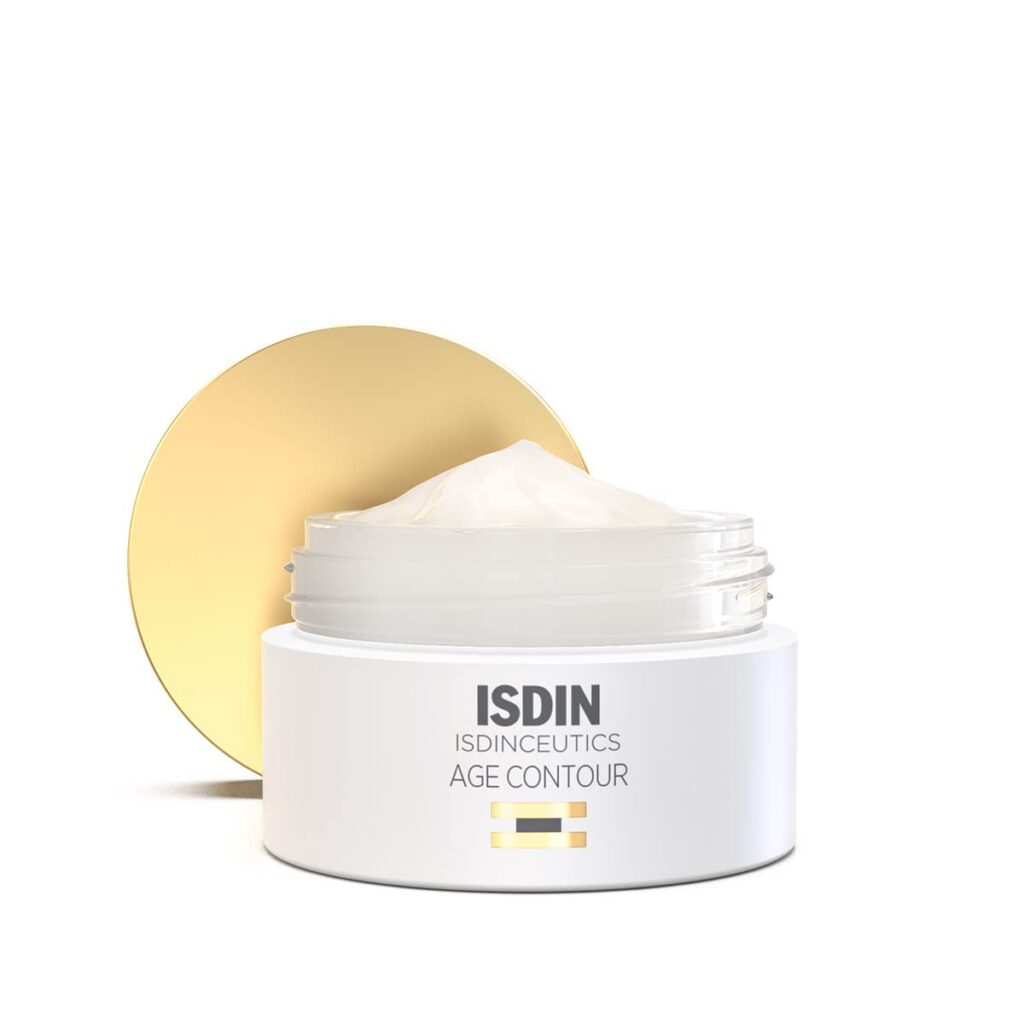
Why it stands out: Unlike other mature-skin creams, this one swaps out retinol entirely. Instead, Isdin uses melatonin (to slow cellular aging) and carnosine (to prevent “sugar damage” to collagen) plus low-molecular-weight hyaluronic acid. Dermatologist Ava Shamban praises its HA content for plumping. The result is hydrated, brighter skin by morning without the redness/irritation retinol can bring. It won Allure’s Best for Sensitive Skin category, and users note significant smoothing of texture over time.
Key features:
- Melatonin & Carnosine: Anti-glycation (keeps collagen flexible) and antioxidant protection.
- Nano-Hyaluronic Acid: Deep hydration (lower-molecule HA penetrates further).
- Fragrance-free, Hypoallergenic: Safe for reactive skin.
Pros:
- Reduces fine lines without retinol.
- Very soothing to sensitive skin (derms often recommend it).
- Lightweight (gel-cream) yet hydrating.
Cons:
- Premium cost (~$145).
- Not as instantly plumping as a retinol cream for some.
- Melatonin scent (subtle herbal) might not appeal to all.
Things to consider: This is a night cream; for daytime use, pair it with a serum and SPF. If you want a retinol alternative (due to dryness or pregnancy), this is an excellent choice.
Recommended for: Aging skin that’s easily irritated (rosacea, eczema, acne) or expecting/pregnant women (retinol contraindicated). Good for all ages wanting a gentler approach to anti-aging.
Not ideal for: Anyone looking for a daytime cream or who needs UV protection (this has none). Also those with fenoxyethanol allergies (it’s in the formula).
Buying Guide: How to Choose the Right Anti-Aging Moisturizer
1. Assess Your Skin Type:
- Dry Skin: Choose rich creams with occlusives (shea butter, oils) and humectants (HA). Look for “creamy” or “ultra-hydrating” in the name. Avoid light gels that won’t suffice. (E.g. Tata Harper, Chanel Le Lift.)
- Oily/Combo Skin: Go for oil-free gels or lotions. Ingredients like niacinamide and green tea help balance oil. (E.g. Tatcha Water Cream, Fresh Rose).
- Sensitive Skin: Fragrance-free, non-irritating formulas. Look for soothing botanicals (aloe, chamomile) and avoid strong retinoids or acids. (E.g. Fresh Rose, Isdin Age Contour.)
- Mature Dry/Oily (Combination): You might need two formulas—light gel in the AM, rich cream at night.
2. Key Ingredients to Look For:
- Hyaluronic Acid (HA): A moisture magnet. Almost every anti-aging moisturizer should have it.
- Ceramides: Repair and strengthen the skin’s lipid barrier. Especially important if skin feels flakey.
- Peptides: Building blocks of collagen, boost firmness over time. Often found in premium creams (e.g. Revision, Sisley).
- Retinoids (Vitamin A): Gold standard for wrinkles and cell turnover (use only at night). If intolerant, look for bakuchiol or melatonin (as in Isdin).
- Antioxidants (Vitamin C, E, etc.): Protect from free-radical damage and brighten discoloration.
- Humectants (glycerin, sorbitol, etc.): Draw water into the skin, keeping it plump. Glycerin is a natural skin component that “speeds healing”.
- Botanical Extracts: (e.g. rose, green tea, algae) can soothe and fight inflammation but check for irritants.
3. Texture & Finish Considerations:
- If you wear makeup, a smooth-matte or dewy finish cream (like Clinique Smart or Tatcha) can help foundation glide on.
- For nighttime, a thicker overnight mask/cream can work wonders (caudalie Premier Cru, etc.).
- For fragrance sensitivity, stick to fragrance-free labels or products like Cetaphil and Isdin.
4. Fragrance & Irritants: Many moisturizers include pleasant scents or botanicals. But fragrant perfumes or essential oils can aggravate sensitive/mature skin. (Dry, thinning skin is more prone to irritation.) If you know you’re reactive, avoid products with “fragrance” or “parfum” on the label.
5. SPF vs. Separate Sunscreen:
Even if a cream has SPF (like Clinique Smart), don’t skip dedicated sunscreen. Aging skin already needs extra UV protection. Dermatologists insist reapplying SPF every 2 hours outdoors. If you prefer one-step, use SPF cream during the day, then a richer non-SPF cream at night.
6. Price & Size Trade-offs:
- Budget creams often give more product for the money (Cetaphil’s large jar is unbeatable).
- Luxury formulas typically use novel actives and silky textures (Chanel, Tata Harper, etc.) but cost more per ounce.
- Sometimes a mid-range brand (Clinique, Revision, Fresh) hits a sweet spot of performance vs cost. Think about how much you’ll use daily: a small luxurious jar might last many months, mitigating cost.
7. Trends to Know:
- Clean/Organic: Growing in demand. Brands like Tata Harper or Herbivore avoid synthetic additives. Just check user reviews; “natural” isn’t always better performance-wise.
- Probiotics/Prebiotics: A newer angle (some moisturizers include prebiotic complexes to balance skin flora). Useful for sensitive or eczema-prone skin.
- Niacinamide boost: Many anti-aging creams now add niacinamide (vitamin B3) to fade dark spots. It’s great for aging skin with hyperpigmentation.
8. Don’t Overlook:
- Hands & Décolleté: Aging isn’t just on your face. Use a targeted hand/neck cream or a body lotion with anti-aging ingredients (the CeraVe cream for body has ceramides/H.A. and is fragrance-free).
- Consistency Matters: A product only works if you use it. If a moisturizer feels icky, you’ll avoid it. Choose a texture you love applying daily.
9. Common Mistakes to Avoid:
- Skipping Daytime Sunscreen: Moisturizer alone won’t prevent photoaging.
- Layering Incompatibles: Don’t combine strong acids and retinol at once (can irritate). If using retinol at night, pair with a gentler day routine.
- Ignoring Neck & Chest: These areas need moisture too – use your face cream down the neck.
- Hoarding Multiple Products: For simplicity, start with one good moisturizer (and SPF) before adding more serums or treatments.
Best for Different Types of Users
- Women in Their 30s–40s (Early Signs): You may just need rich hydration and antioxidants. SkinCeuticals Emollience or Fresh Rose would be great as they’re gentle but effective. Introduce retinol or peptides gradually (perhaps once or twice a week).
- Women 50+ (Mature Skin): Focus on barrier support and repair. Revision Night Cream or Clinique SPF 30 can help with more advanced lines. Consider supplementing with an eye cream for crow’s feet and a dedicated night cream for deep restoration.
- Sensitive Skin: Skip abrasive actives. Try Isdin Age Contour (no retinol) or Fresh Rose (mild formula). Look for fragrance-free on the label.
- Oily/Combo Skin: Lighter lotions like Tatcha Water Cream or Clinique SPF work best. Avoid heavy oils. You can still benefit from ingredients like niacinamide and peptides; just pick gel-based products.
- Acne-Prone Aging Skin: Find non-comedogenic formulas. Tatcha Water Cream and Fresh Rose are oil-free and still hydrating. You might also double-duty with salicylic acid serums, but Cetaphil Skin Activator could help even out texture gently due to mandelic acid.
- Black/Darker Skin Tones: Seek formulas that won’t leave ash or cause post-inflammatory hyperpigmentation. Most picks above are safe (especially fragrance-free ones). Ingredients like niacinamide can brighten dark spots common in mature skin. A tinted mineral SPF (like La Roche-Posay Anthelios) after the moisturizer is ideal.
- Beginner to Anti-Aging: Start simple. A gentle hyaluronic-based moisturizer (like Emollience) and daily SPF can carry you a long way. You can upgrade to retinol or peptides once you’re comfortable with daily hydration.
Who Should Avoid This Product Category
- Those allergic to typical skincare ingredients (fragrances, parabens, etc.). Always patch-test a new cream.
- People with certain medical conditions: e.g. pregnant/nursing women should avoid retinoids (so skip any retinol anti-aging cream).
- Anyone on a tight budget: luxury formulations can set you back hundreds per jar. There are effective drugstore options (Cetaphil, CeraVe) that work well for basic hydration and barrier repair.
- Teens/young adults with youthful skin: If wrinkles aren’t a concern, focus on simpler hydrators with SPF.
FAQs (Frequently Asked Questions)
- What’s the difference between a moisturizer for aging skin vs a regular moisturizer?
Aging-skin moisturizers emphasize anti-aging actives (like peptides, ceramides, vitamin C, retinol) in addition to hydration. They often contain higher levels of barrier-repair ingredients because mature skin loses moisture more easily. In contrast, a basic moisturizer might only hydrate without these targeted ingredients. Essentially, anti-aging creams aim to repair and protect while hydrating, not just lubricate. - At what age should I start using an anti-aging moisturizer?
It varies, but many dermatologists suggest starting in your late 20s to 30s with preventive care. As early as your 30s, collagen production starts to decline and fine lines appear. Even if you have mostly youthful skin, using a product with antioxidants and SPF daily can delay visible aging. By 40+ you’ll definitely benefit from formulas that include retinoids or peptides. - Can a moisturizer alone reduce wrinkles?
A moisturizer hydrates plump the skin temporarily (filling in fine lines), but it won’t permanently erase wrinkles. Long-term reduction comes from active ingredients: retinol stimulates collagen over time, peptides rebuild support structure, and antioxidants protect against new damage. So, a good anti-aging moisturizer (especially one used nightly) can gradually improve lines, but expect months of consistent use for visible results. - Should I use a day cream and a night cream?
It’s not mandatory, but it’s common. Day creams often include SPF or antioxidants to protect (e.g. Clinique Smart with SPF, or any cream followed by sunscreen). Night creams can be richer or include actives like retinol (since you don’t need SPF at night). For simplicity, you could use one all-purpose moisturizer by day and by night double it up (apply thicker at night). But many women prefer a lighter day formula and a heavier night mask to maximize repair while sleeping. - Is SPF in a moisturizer enough sun protection?
SPF moisturizer is convenient, but often people don’t apply enough. Dermatologists recommend using a dedicated sunscreen every morning (even under makeup), because it’s easier to apply the full ½ teaspoon to the face. If you use an SPF cream (like Clinique Smart), reapply every 2 hours outdoors. Combining a good day moisturizer with a separate broad-spectrum SPF 30+ is the safest bet for mature skin. - Can I use an anti-aging cream if I have acne?
Yes, but choose non-comedogenic formulas. Avoid heavy oils that clog pores. Look for ingredients like niacinamide or hyaluronic acid, and light textures (gels/serums). Products like Tatcha Water Cream or Fresh Rose work well. You can still benefit from retinoids (good for acne), but they dry out skin, so start slowly. Always maintain acne-clearing routine and introduce the anti-aging cream a few nights a week. - Are natural/organic moisturizers better for aging skin?
“Natural” just means plant-derived ingredients – it doesn’t automatically make them more effective. Some women with sensitive skin prefer clean formulas (like Tata Harper) to avoid synthetic additives. However, whether natural or lab-made, what matters is the active. Botanicals can be nourishing, but clinical-grade actives (like vitamin C ester, clinically-tested peptides) often deliver more proven results. We included both types. The key is that any chosen product has the right actives for your concerns. - What ingredients should aging skin avoid?
There aren’t many “avoid” ingredients, but mature skin tends to be thinner/sensitive. For example, high concentrations of strong acids (pure glycolic/acids) can cause irritation, so use them sparingly. Also, stay cautious with high-alcohol toners (they can dry out skin further). In general, look for moisturizers labeled “anti-aging” or “for mature skin”, since they’re formulated to soothe and hydrate deeply. - How often should I apply my moisturizer?
At least twice a day: morning and night. After cleansing your face, lock in moisture. If you live in a very dry climate or use retinol, you may even reapply midday. Always apply moisturizer on slightly damp skin to maximize absorption (pat moisturizer on, don’t rub). - Is there a difference between a cream, lotion, and serum for aging skin?
Yes. Serums are lightweight, fast-absorbing liquids packed with active ingredients (like hyaluronic acid, peptides, or vitamin C) — great for layering under creams. Lotions are lighter than creams (higher water content) and suited for normal/combination skin. Creams are thicker and richer, ideal for dry/mature skin. Many anti-aging routines use a serum + cream combo: e.g. a retinol serum at night followed by a creamy moisturizer.
(Answers paraphrased from skin experts and our editorial research.)
Final Verdict
- Best Overall: SkinCeuticals Emollience – a dermatologist-favorite that hydrates without weight, making it universally great for aging skin.
- Best Value: Cetaphil Skin Activator – unbeatable volume and active exfoliation for a low price.
- Best Luxury: Chanel Le Lift Pro Crème – if you want to splurge on an effective firming experience.
- Best for Dryness: Tata Harper Repairative – a plant-powered hydration powerhouse for winter months.
- Best for Oily/Aging: Tatcha The Water Cream – perfect synergy of hydration and oil-control for mature, combination skin.
- Best SPF: Clinique Smart SPF 30 – multi-tasking daily cream to protect and repair.
- Best Sensitive Skin: Fresh Rose Hydration (daytime) and Isdin Age Contour (nighttime) – gentle yet effective.
Final recommendation: Start with your skin type. If you have normal/dry aging skin, we highly recommend SkinCeuticals Emollience as our top pick – it’s lightly textured, fragrance-free, and proven to plump mature skin (Dr. Rogers notes glycerin “speeds healing” of the barrier). On a budget? Cetaphil Skin Activator is our surprise hero – it firms skin and hydrates for a fraction of the cost. For oily or combo aging skin, try Tatcha Water Cream in the AM and maybe a richer cream at night. For very sensitive mature skin, skip retinol and go with Isdin Age Contour or Fresh Rose.
Remember: consistency is key. Any moisturizer takes weeks of regular use to show benefits. Pair your cream with good sunscreen and a balanced diet rich in antioxidants (water, omegas, fruits). With the right moisturizer, you can keep your skin firm and glowing well into your 50s and beyond. Happy moisturizing!