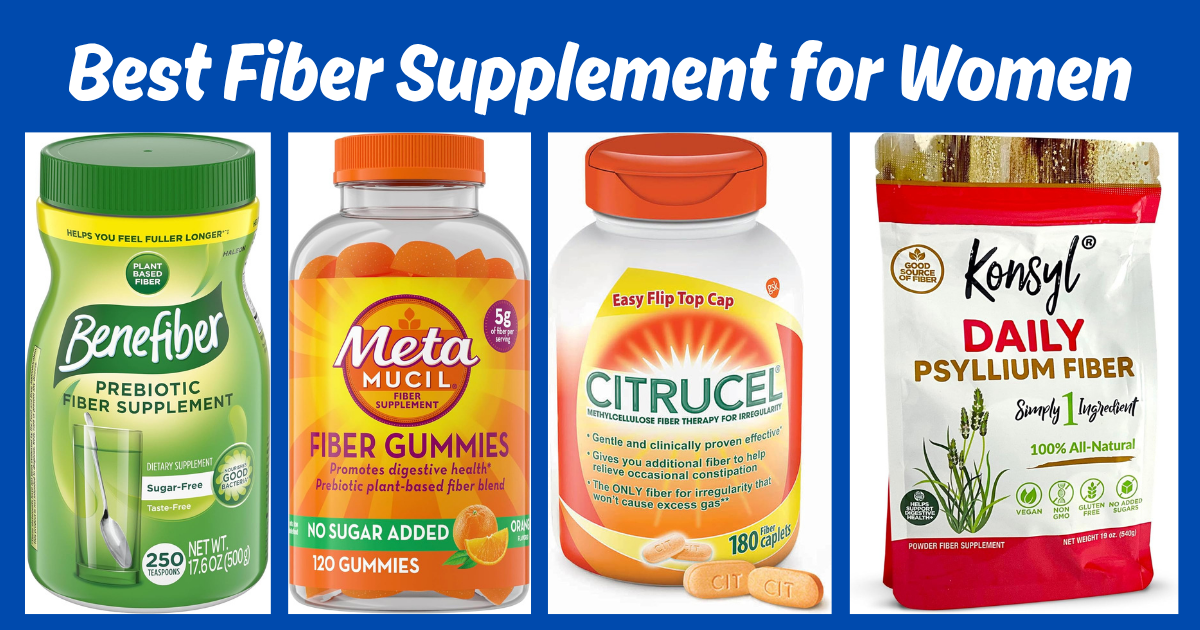
Looking for the best fiber supplement for women? This guide compares top Amazon options by format, price, ingredients, and daily-use fit.
Introductory Safety Note
This guide is for educational and shopping guidance only. It is not medical advice. Fiber needs, digestive tolerance, and supplement fit vary by person. If you are pregnant, breastfeeding, taking medication, or dealing with ongoing digestive symptoms, it is smart to check with a qualified healthcare professional before adding a supplement. FDA also notes that supplements are not approved to diagnose, treat, cure, or prevent disease.
Table of Contents
Finding the best fiber supplement for women is not just about grabbing the most popular bottle on Amazon. The right pick depends on what you will actually use consistently, whether you prefer gummies, powder, or caplets, how sensitive your stomach is, and how simple you want the ingredient list to be.
Most adult women should aim for about 25 grams of fiber per day, yet NIH notes that only a small share of Americans hit recommended fiber targets consistently. That is one reason fiber supplements remain popular, especially for women who want extra digestive support, a steadier daily routine, or an easier way to close a fiber gap.
This guide focuses on products that were available on Amazon when checked on March 30, 2026. I did not use fake personal testing. These picks are based on label review, formula simplicity, format, brand reputation, visible quality markers, serving practicality, and current availability. Because supplement prices and sellers change often, treat price-per-serving as approximate.
Top Recommendations
- Best Overall: Konsyl Daily Psyllium Fiber Powder
- Best Budget: Benefiber Original Powder
- Best Premium: Thorne FiberMend
- Best Organic Pick: Garden of Life Dr. Formulated Organic Fiber
- Best Gummy: Metamucil Fiber Gummies
- Best Caplet Option: Citrucel Fiber Therapy Caplets
- Best Clean Single-Ingredient Value: Yerba Prima Psyllium Whole Husk
Comparison Table : Best Fiber Supplement for Women
| Product | Best For | Key Ingredients / Format | Approx. Price Per Serving* | Editorial Take | CTA Placeholder |
|---|
| Konsyl Daily Psyllium Fiber Powder | Best overall | Single-ingredient psyllium powder | ~$0.29 | Simple formula, 90 servings, unflavored | Powder routine not for everyone | Strong all-around pick for women who want a clean daily psyllium option | Check price |
| Benefiber Original Powder | Best budget daily mix-in | Wheat dextrin powder | ~$0.22 | Taste-free, easy to stir in, affordable | Not ideal if you specifically want psyllium | Good entry pick for everyday convenience | Check price |
| Citrucel Fiber Therapy Caplets | Best caplet / lower-gas option | Methylcellulose caplets | ~$0.29–$0.59 | No mixing, easier for some users, non-fermentable fiber | Multiple caplets may be needed | Best for women who hate powders | Check price |
| Metamucil Fiber Gummies | Best gummy | Plant-based prebiotic fiber blend | ~$0.60 | No sugar added, simple to take, no shaker needed | Less ideal if you want pure psyllium | Best for women who want a pleasant daily habit | Check price |
| Garden of Life Dr. Formulated Organic Fiber | Best organic / prebiotic blend | 5 organic superfood fibers, powder | ~$0.50 | Organic, vegan, psyllium-free, no sugar | More blend-heavy than single-ingredient options | Strong for women who want an organic prebiotic-style formula | Check price |
| Thorne FiberMend | Best premium | Soluble prebiotic fiber blend, powder | ~$1.50 | Premium positioning, third-party-certified content claims | Pricey | Best for buyers prioritizing premium formulation and testing language | Check price |
| Yerba Prima Psyllium Whole Husk | Best clean-label value | Whole psyllium husk | Varies by scoop size | Minimalist formula, vegan, no sugar | Texture can be more noticeable than fine powders | Good for women who want pure psyllium without extras | Check price |
*Approximate calculations are based on currently visible Amazon prices and serving information where available; real cost varies by seller, size, and dose.
How We Chose Best Fiber Supplement for Women
This roundup was built from current SERP analysis, official brand pages, current Amazon listings, and authoritative health guidance on fiber and supplement safety. Products were compared for formula simplicity, fiber type, serving format, sugar profile, ease of daily use, visible quality signals, and buyer fit. Safety framing was based on FDA, MedlinePlus, Mayo Clinic, Cleveland Clinic, NIH, Harvard Health, and certification guidance from NSF.
I also favored products that make sense for a women-focused commercial roundup: options for powders, gummies, caplets, organic buyers, budget shoppers, and women who want a simpler single-ingredient product rather than a trendy “gut wellness” blend.
7 Best Fiber Supplement for Women
1. Konsyl Daily Psyllium Fiber Powder
Best for: Women who want a clean, straightforward psyllium powder
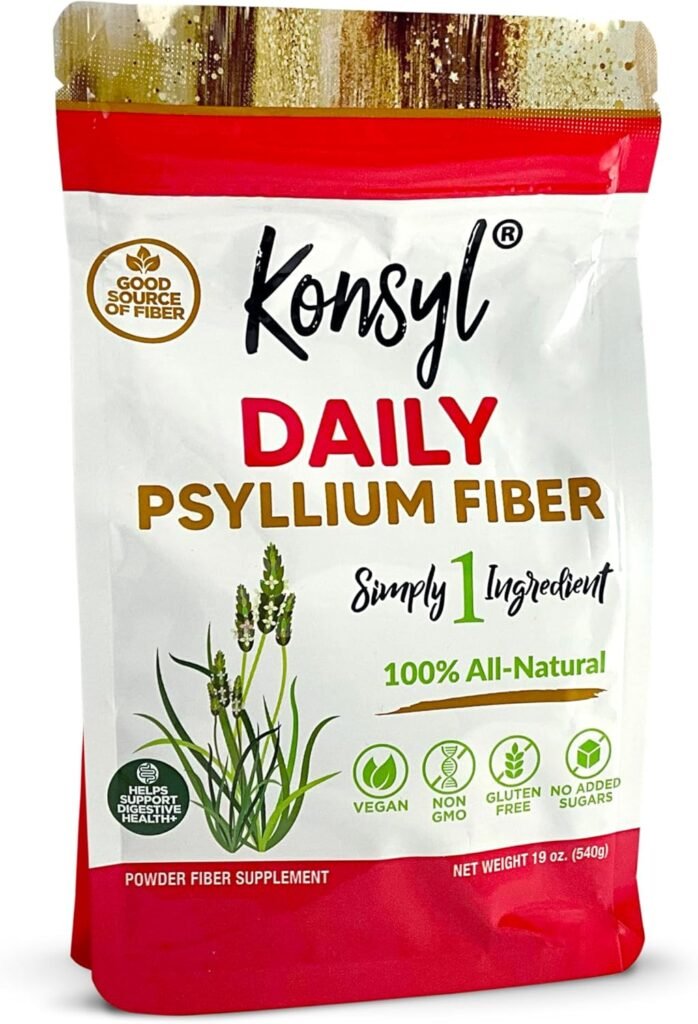
Konsyl is the most balanced pick here because it keeps the formula simple and gives a strong value-to-servings ratio. The current Amazon listing describes it as a 19-ounce powder with 90 servings, and emphasizes that it uses only one simple ingredient: psyllium husk fiber. That makes it easier to recommend for readers who want fewer extras and a more traditional fiber approach.
Why it stands out:
A clean-label psyllium option with a large serving count and a reasonable current Amazon price.
Key ingredients or formula highlights:
- Psyllium husk fiber
- Single-ingredient formula
- Natural, unflavored powder
Format and serving notes:
- Powder
- 90 servings on the current Amazon listing
- Better for women comfortable mixing fiber into water or another drink
Pros:
- Very simple formula
- Good price-per-serving
- Easy fit for women who want a classic psyllium supplement
Cons:
- Powder texture may not suit everyone
- Psyllium can feel thicker than lighter prebiotic blends
Things to consider:
This is a strong “best overall” pick if you want minimal ingredients and better value. It is not the best fit if you dislike mixing powders or prefer a gummy or caplet.
Recommended for:
Women who want a clean-label daily fiber powder
Not ideal for:
Women who want gummies, caplets, or a flavor-forward product
2. Benefiber Original Powder
Best for: Women who want an easy daily mix-in at a lower cost
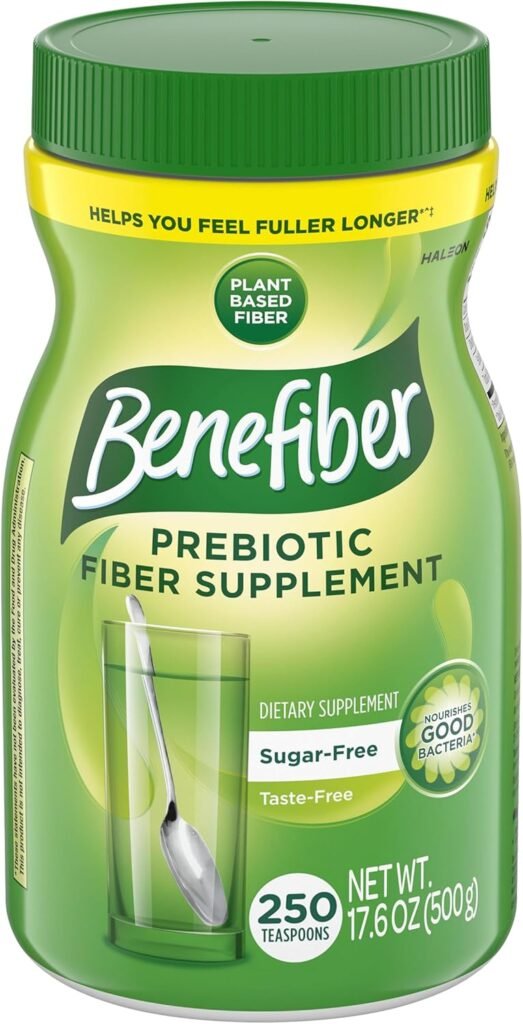
Benefiber works well for shoppers who care most about convenience. The official site describes it as a clear, taste-free, plant-based prebiotic fiber powder, and Amazon showed the 124-teaspoon bottle in stock at a lower entry price than many premium options. That makes it appealing for women who want something easy to add to coffee, yogurt, or a smoothie without much taste or texture.
Why it stands out:
Budget-friendly daily routine fit.
Key ingredients or formula highlights:
- Wheat dextrin-based prebiotic fiber
- Taste-free powder
- No sugar in the visible Amazon listing copy for the larger bottle
Format and serving notes:
- Powder
- Official guidance for adults 12+ is 2 teaspoons mixed into food or drink
- Better for women who want a powder that disappears easily
Pros:
- Easy to stir into drinks and foods
- Good budget value
- Low-friction daily use
Cons:
- Not ideal if you specifically want psyllium
- Some shoppers prefer a more minimalist single-ingredient formula
Things to consider:
If your top priority is a cheap, low-effort routine, Benefiber is compelling. If you want the thicker gel-forming feel of psyllium, this is not that kind of product.
Recommended for:
Busy women who want easy daily use and a lower price
Not ideal for:
Women specifically shopping for psyllium husk
3. Citrucel Fiber Therapy Caplets
Best for: Women who dislike powders and want a caplet option
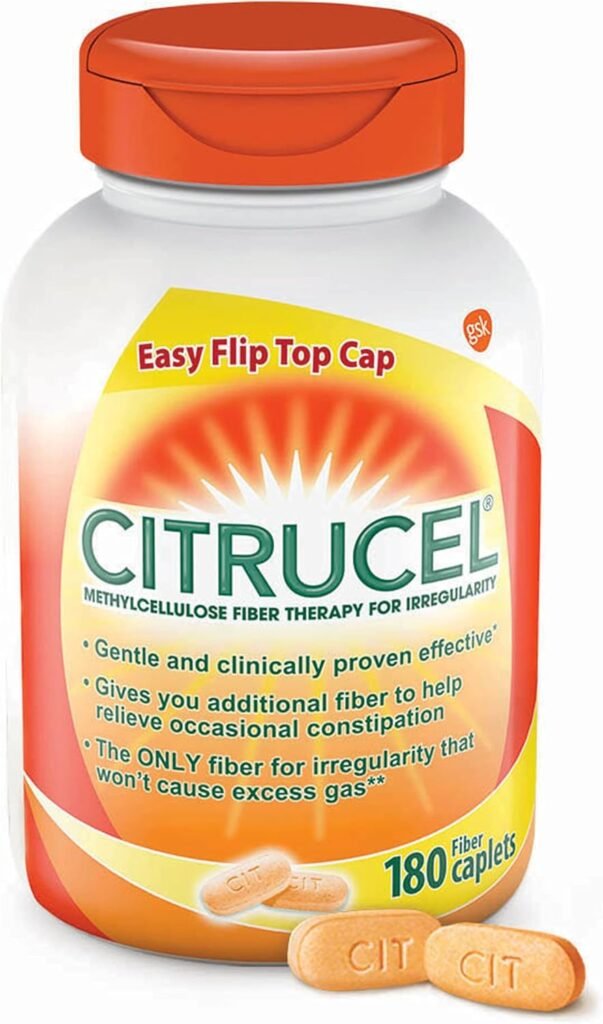
Citrucel’s biggest advantage is format. Its official product page says the caplets use 100% soluble methylcellulose fiber and notes that this fiber is non-fermentable, which the brand says is why it does not ferment to cause excess gas. The page also explains that 2 caplets provide 1 gram of methylcellulose and that 4 caplets equal one scoop of powder. Amazon showed the 180-count caplets as available when checked.
Why it stands out:
One of the better picks for women who do not want a shaker bottle or gritty drink.
Key ingredients or formula highlights:
- Methylcellulose fiber
- 100% soluble fiber
- Caplet format
Format and serving notes:
- Caplets
- Drink 8 oz. of liquid with each dose
- Multiple caplets may be needed depending on dose
Pros:
- Easy, portable format
- No mixing
- Useful for women who hate powders
Cons:
- Not a gummy or flavored option
- Some users may not love taking multiple caplets
Things to consider:
This is best for convenience-first shoppers. It is less ideal if you want a powder you can scale more flexibly or if you prefer fiber from whole-husk psyllium.
Recommended for:
Women who want a travel-friendly caplet and a no-mess routine
Not ideal for:
Women who dislike swallowing pills or want a food-like fiber powder
4. Metamucil Fiber Gummies
Best for: Women who want the easiest habit to stick with
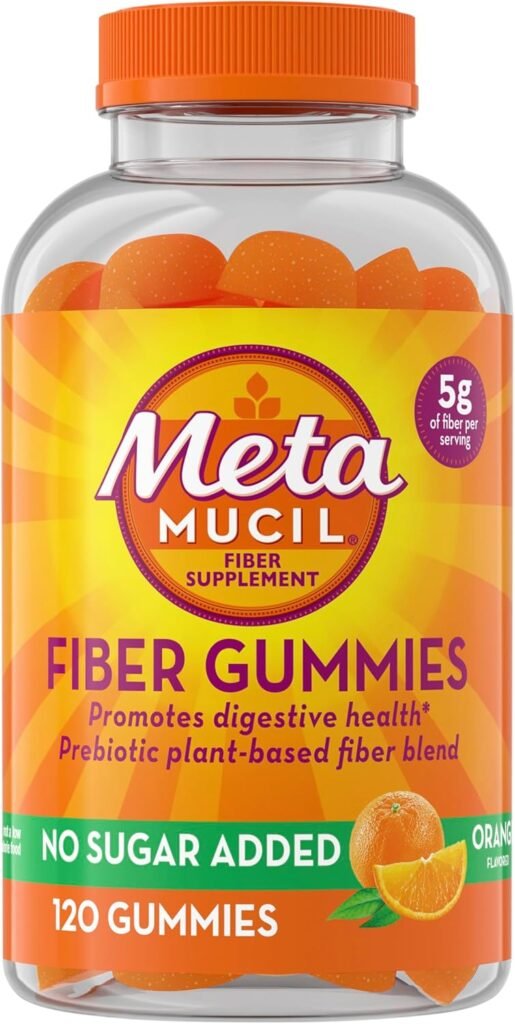
Metamucil Fiber Gummies are the simplest pick for women who know they will not stay consistent with a powder. The official Metamucil page says the gummies provide 5 grams of fiber per serving, use a plant-based fiber blend, and include a prebiotic to help feed good gut bacteria. The current Amazon listing showed the 120-count no-sugar-added bottle at about $23.99 when checked.
Why it stands out:
Taste and ease can matter more than theory. A product you will actually use every day may beat a “perfect” product you avoid.
Key ingredients or formula highlights:
- Plant-based fiber blend
- 5 g fiber per serving
- Prebiotic support
- No sugar added version available
Format and serving notes:
- Gummy
- Great for women who want a no-mix option
- More travel-friendly than jars of powder
Pros:
- Very easy to take
- No shaker or stirring needed
- Pleasant entry point for beginners
Cons:
- Usually pricier per serving than plain powders
- Not the best pick if you want pure psyllium
Things to consider:
This is not the most “clinical” feeling fiber format, but it is one of the best for consistency. That matters.
Recommended for:
Beginners, busy professionals, and women who hate powder
Not ideal for:
Women who want a pure single-ingredient psyllium supplement
5. Garden of Life Dr. Formulated Organic Fiber
Best for: Women who want an organic, psyllium-free prebiotic blend
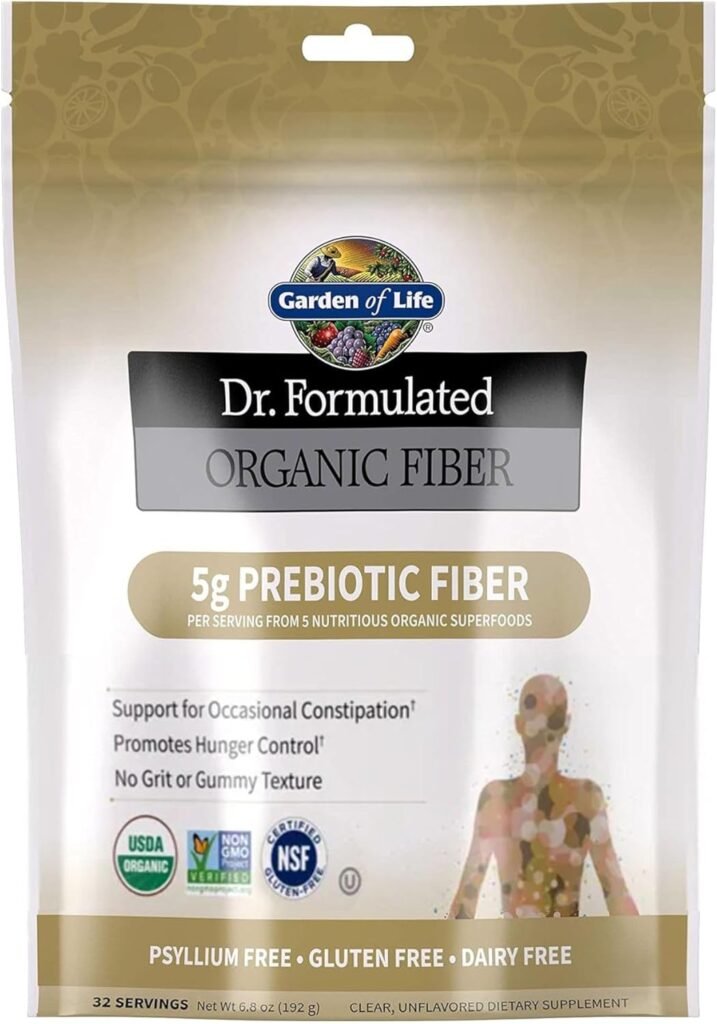
Garden of Life is the strongest organic pick in this roundup. The official page says it provides 5 g of prebiotic fiber from five organic superfoods, is psyllium-free, sugar-free, vegan, USDA Organic, Non-GMO Project Verified, and NSF Gluten-Free Certified. Amazon showed the 32-serving version available at about $16.09 when checked.
Why it stands out:
It gives women an organic, prebiotic-focused option without relying on psyllium.
Key ingredients or formula highlights:
- Organic acacia
- Organic orange peel
- Organic baobab fruit
- Organic apple peel
- Organic cranberry fruit
Format and serving notes:
- Powder
- One tablespoon daily
- Good fit for smoothies or mixed drinks
Pros:
- Organic and vegan
- Psyllium-free
- Strong visible certification profile
Cons:
- Blend formulas are less minimalist
- Not the cheapest option per gram of fiber
Things to consider:
A good option for women who want something organic and gentler-feeling in positioning, but a simpler psyllium product may still be better for shoppers who want fewer moving parts.
Recommended for:
Women who want organic, psyllium-free, prebiotic-style support
Not ideal for:
Women who want a single-ingredient fiber formula
6. Thorne FiberMend
Best for: Women who want a premium, research-forward option
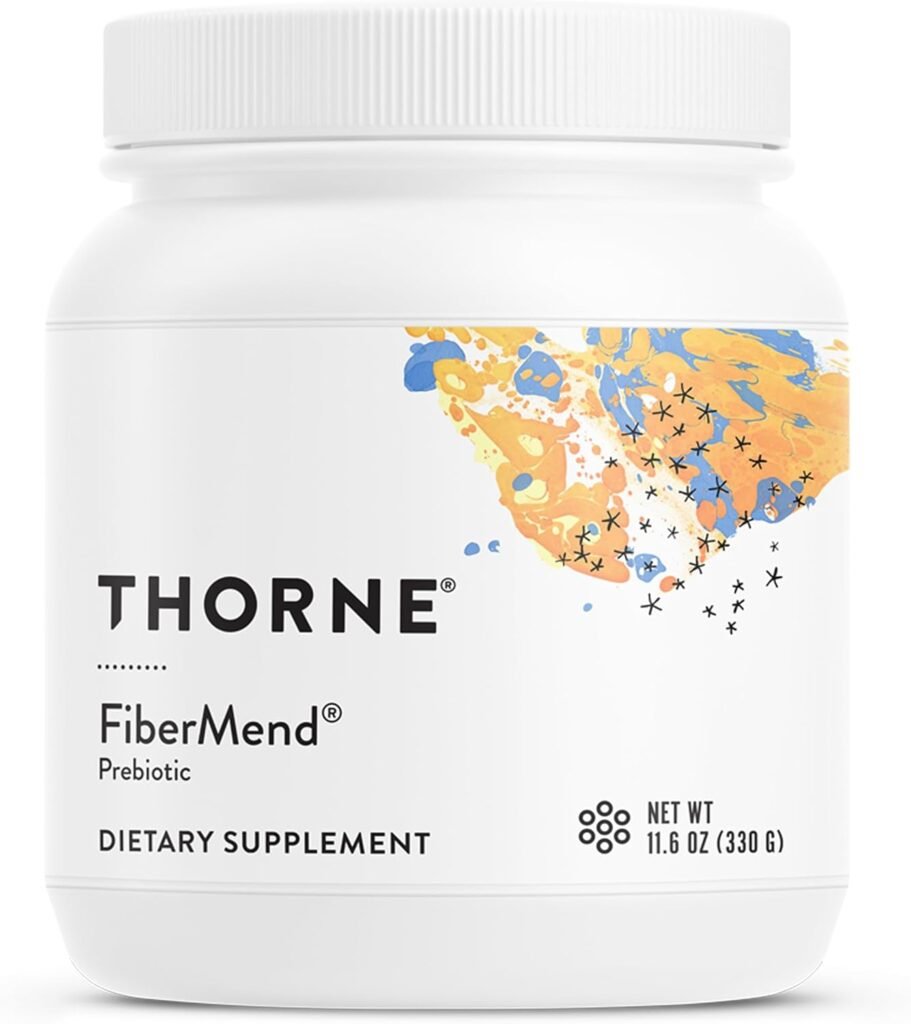
Thorne FiberMend is the premium pick. Healthline currently names it the best overall in its broader fiber roundup, and the current Amazon listing describes it as third-party contents certified. Thorne’s own materials describe FiberMend as a soluble prebiotic fiber formula, and Thorne also says one scoop contains 13 grams of fiber. Amazon showed a current one-time price of about $45.00 when checked.
Why it stands out:
Premium positioning with stronger visible testing language than many mass-market fiber products.
Key ingredients or formula highlights:
- Soluble prebiotic fiber blend
- Third-party contents certification language in current Amazon listing
- One scoop contains 13 g fiber according to Thorne content
Format and serving notes:
- Powder
- Higher-end option
- Better for women comfortable paying more for premium branding and testing emphasis
Pros:
- Premium reputation
- Strong trust framing
- Good fit for women who prioritize formulation quality
Cons:
- Expensive
- More than many casual shoppers need
Things to consider:
This is the pick for women who would rather pay more for a premium-feeling formula and stronger certification language. It is not the best value choice.
Recommended for:
Premium shoppers and women who care a lot about testing language
Not ideal for:
Budget shoppers or women who only want a simple, low-cost daily fiber
7. Yerba Prima Psyllium Whole Husk
Best for: Women who want a simple whole-husk psyllium at a reasonable price
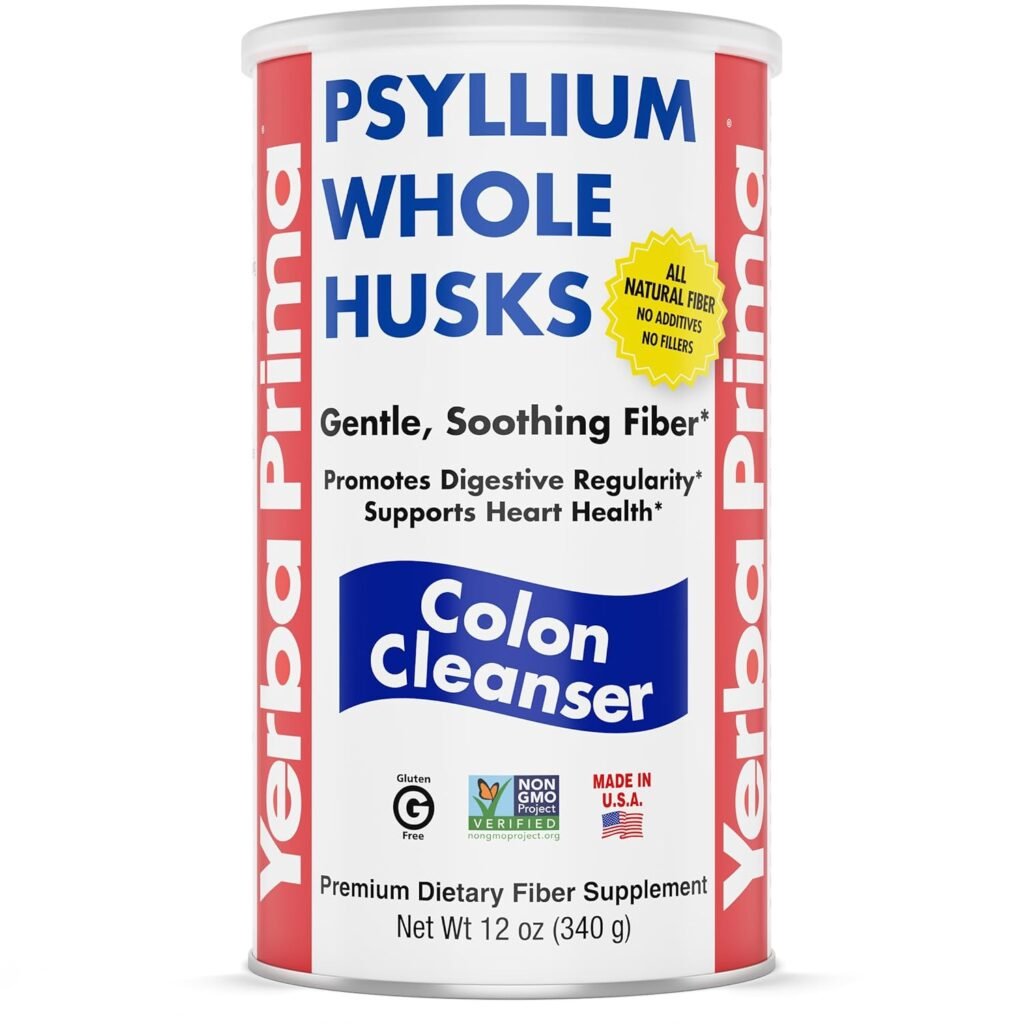
Yerba Prima is a good clean-label value choice if you want plain psyllium without a lot of branding extras. The current Amazon listing describes it as vegan, non-GMO, gluten-free, with no sugar or artificial sweeteners, and showed the 12-ounce whole husk product around $17.99 when checked. Verywell Fit also currently recommends Yerba Prima Psyllium Husks Powder as its psyllium-based top pick in its 2026 roundup.
Why it stands out:
A cleaner whole-husk psyllium option for women who want simplicity.
Key ingredients or formula highlights:
- Whole psyllium husk
- Vegan
- Non-GMO
- Gluten-free
- No sugar or artificial sweeteners
Format and serving notes:
- Whole husk powder
- Texture may feel more noticeable than very fine powders
Pros:
- Minimalist formula
- Good value
- Straightforward ingredient profile
Cons:
- Texture can be more obvious
- Less appealing if you want flavored or “fun” formats
Things to consider:
A strong choice for women who want to keep it simple and skip trendy blends.
Recommended for:
Women who want a basic psyllium product with a short label
Not ideal for:
Women who want gummies, caplets, or organic certification-heavy branding
What to Look For Before Buying
How to choose the right one
Start with the question: What am I most likely to use consistently? A powder may give better value, but a gummy or caplet may still be the smarter choice if it fits your routine better.
If you are comparing daily supplements for midlife wellness, our Best Magnesium Supplement for Women guide may help.
Ingredient and label basics
Cleveland Clinic notes that common fiber supplement types include acacia gum, calcium polycarbophil, flaxseed, inulin, methylcellulose, psyllium, and wheat dextrin. NIH also notes that the health effects of fiber differ by type, amount, and person. That means there is no single perfect fiber for every woman.
Capsule vs gummy vs powder vs liquid
- Powder: usually best for value and flexibility
- Gummy: easiest for consistency, often pricier per serving
- Caplet: good for no-mess convenience, but swallowing may still be a barrier
- Liquid-ready or stick packs: best for travel and office use
How to compare price per serving
Do not compare bottle price alone. Check:
- total servings
- serving size
- whether the product needs 1 scoop, 2 teaspoons, or several caplets
- whether you are paying more for convenience or flavor
Sugar, fillers, or extras
Many women will prefer:
- low- or no-sugar formulas
- fewer unnecessary ingredients
- a clear reason for extras like probiotics or superfood blends
Third-party testing and quality markers
Because FDA does not pre-approve supplements before they are sold, visible third-party verification matters more than many shoppers realize. NSF says it certifies supplements to NSF/ANSI 173, and USP also positions its verification programs as a quality standard for supplements.
Daily routine fit
A supplement that lives in your kitchen and mixes cleanly may be more useful than a “better” product you keep forgetting to take.
Taste, swallowability, and convenience
These are not minor details. They often determine adherence. Gummies, taste-free powders, and caplets all solve different problems.
Common mistakes buyers make
- Choosing by hype instead of format fit
- Increasing fiber too fast
- Ignoring water intake
- Taking fiber at the same time as medication
- Assuming “women’s wellness blend” automatically means better
Safety and Suitability Notes
When to talk to a healthcare professional first
Talk to a clinician or pharmacist before using a fiber supplement if you are pregnant, breastfeeding, taking medication, have ongoing digestive symptoms, or are considering using supplements instead of addressing a persistent problem. FDA specifically notes that supplements can interact with medications and may pose risks depending on the person and the product.
Medication interaction awareness
Harvard Health notes it may be prudent to take medications two to three hours before or after a fiber supplement, since fiber may reduce full absorption when taken together.
Pregnancy and breastfeeding caution
Do not self-prescribe just because a product looks gentle. Ask your clinician first.
Allergy or sensitivity considerations
Always check labels for gluten, sweeteners, and other ingredients. Season specifically highlights gluten-related label concerns for shoppers avoiding wheat-based options.
Why more is not always better
MedlinePlus notes that adding fiber too quickly can cause gas, bloating, and cramps. Go slowly and increase hydration. Mayo Clinic also says daily fiber supplements seem safe for many people, but they should still fit your broader diet and routine.
Why symptom-based self-diagnosis can be misleading
Digestive discomfort can have many causes. A supplement may help some women close a fiber gap, but it should not be used to guess at the cause of persistent symptoms.
Best for Different Types of Users
Women in their 20s and 30s
Often do best with convenience-first options like Benefiber or Metamucil Gummies if routine consistency is the biggest hurdle.
Women over 40
Often prefer lower-sugar, easier-to-tolerate, practical options with clearer daily-use value, such as Konsyl, Benefiber, or Garden of Life.
Women over 50
Many will appreciate simple powders or caplets that are easy to track and use consistently, rather than trendy blends.
Active women
May prefer powder options they can add to a smoothie or post-workout meal.
Busy professionals
Stick packs, gummies, or caplets usually fit office life better.
Travelers
Citrucel caplets and gummies are easier to pack than large jars of powder.
Vegans or vegetarians
Garden of Life, Yerba Prima, and several psyllium-based options are better fits based on current labeling.
Budget shoppers
Benefiber and some psyllium powders usually give the strongest cost-per-serving value.
Premium buyers
Thorne FiberMend is the clearest premium pick here.
Beginners
Metamucil Gummies or Benefiber are easier entry points than thicker psyllium powders.
Women who dislike swallowing pills
Choose a gummy or powder, not caplets.
Who Should Avoid This Product Category
This category may not be ideal for:
- women trying to self-manage persistent digestive symptoms without medical advice
- women who cannot reliably drink enough fluid with bulk-forming fiber
- women taking multiple medications without checking timing
- women who know they will not stay consistent with a powder-based routine
- anyone looking for a supplement to replace medical evaluation
FAQ
What is the best fiber supplement for women overall?
For most shoppers, a simple psyllium powder or an easy daily mix-in gives the best balance of value and effectiveness. The better question is which format you will actually use consistently. Psyllium, inulin, and methylcellulose are all common fiber types.
Is psyllium better than other types of fiber?
Not always. Psyllium is popular and well known, but NIH notes that fiber benefits vary by fiber type, amount, and person. Your goal matters.
Are fiber gummies as good as powders?
They can be a better fit for consistency, even if they cost more per serving. Powders usually win on value, while gummies win on ease.
Can women take a fiber supplement every day?
Mayo Clinic says daily fiber supplements seem to be safe for many people, but whole foods still matter and a healthcare professional can help decide what makes sense for you.
How much fiber do women need each day?
The Academy of Nutrition and Dietetics notes that most adult women should aim for about 25 grams of fiber per day, though needs vary.
Can fiber supplements cause bloating?
Yes. MedlinePlus notes that increasing fiber too quickly can cause gas, bloating, and cramps. Going slow usually helps.
Should I take fiber with medication?
Harvard Health advises leaving a gap of about two to three hours before or after your fiber supplement to be on the safe side.
Are supplements regulated by the FDA?
FDA regulates supplements differently from drugs and does not pre-approve them for safety or effectiveness before sale. Supplements also cannot legally claim to diagnose, treat, cure, or prevent disease.
Final Verdict
If you want the best blend of simplicity, daily usefulness, and buyer value, Konsyl Daily Psyllium Fiber Powder is the strongest overall pick in this roundup.
If your priority is a lower-cost, low-friction routine, Benefiber Original Powder is the best value.
If you want the most premium option, Thorne FiberMend stands out.
If you want a no-powder option you are more likely to stick with, Metamucil Fiber Gummies are the smartest pick.
If you want a cleaner organic prebiotic blend, go with Garden of Life Dr. Formulated Organic Fiber.